

Interlock · Stittsville, ON
Interlock patios and walkways in Stittsville
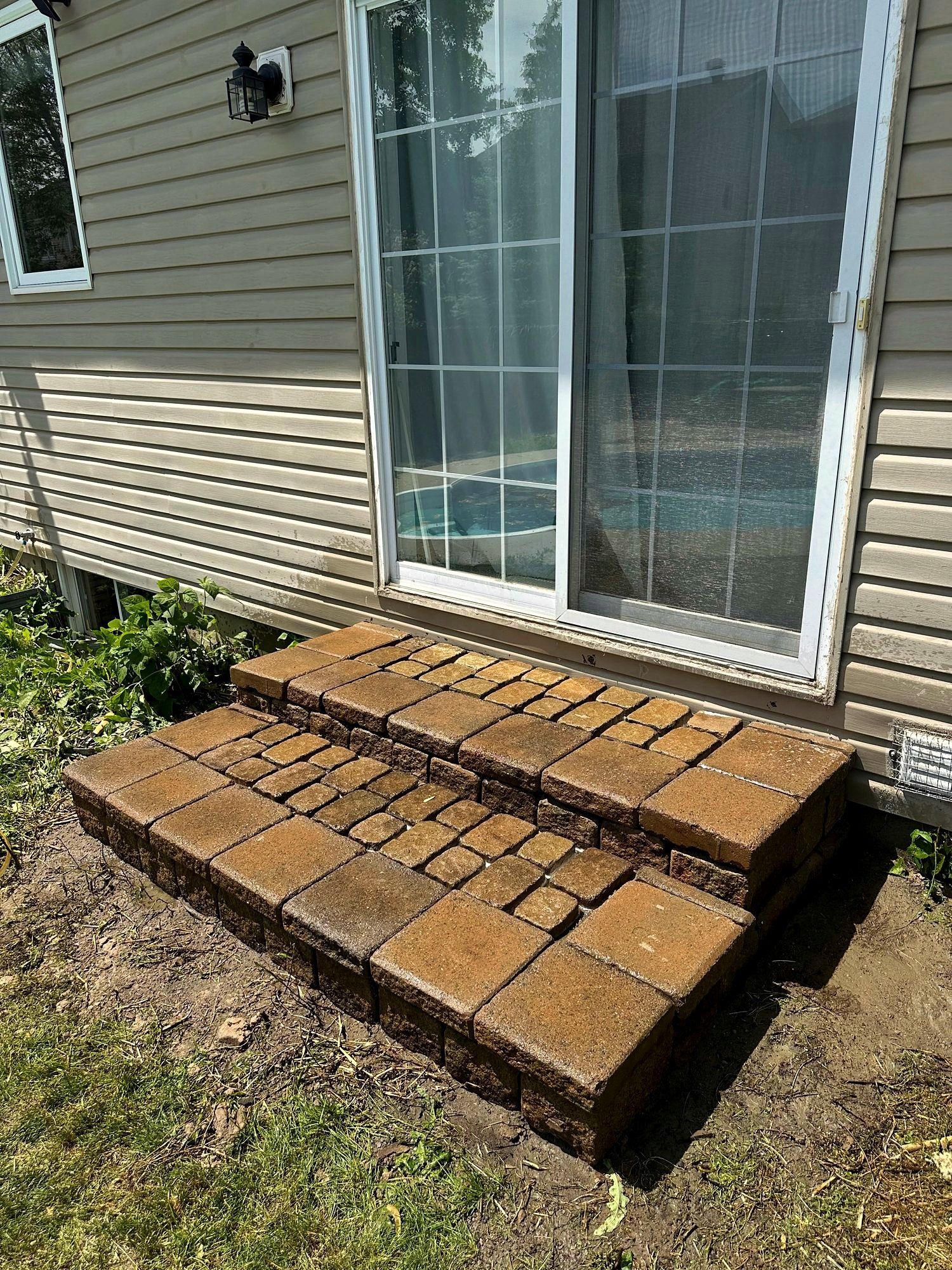
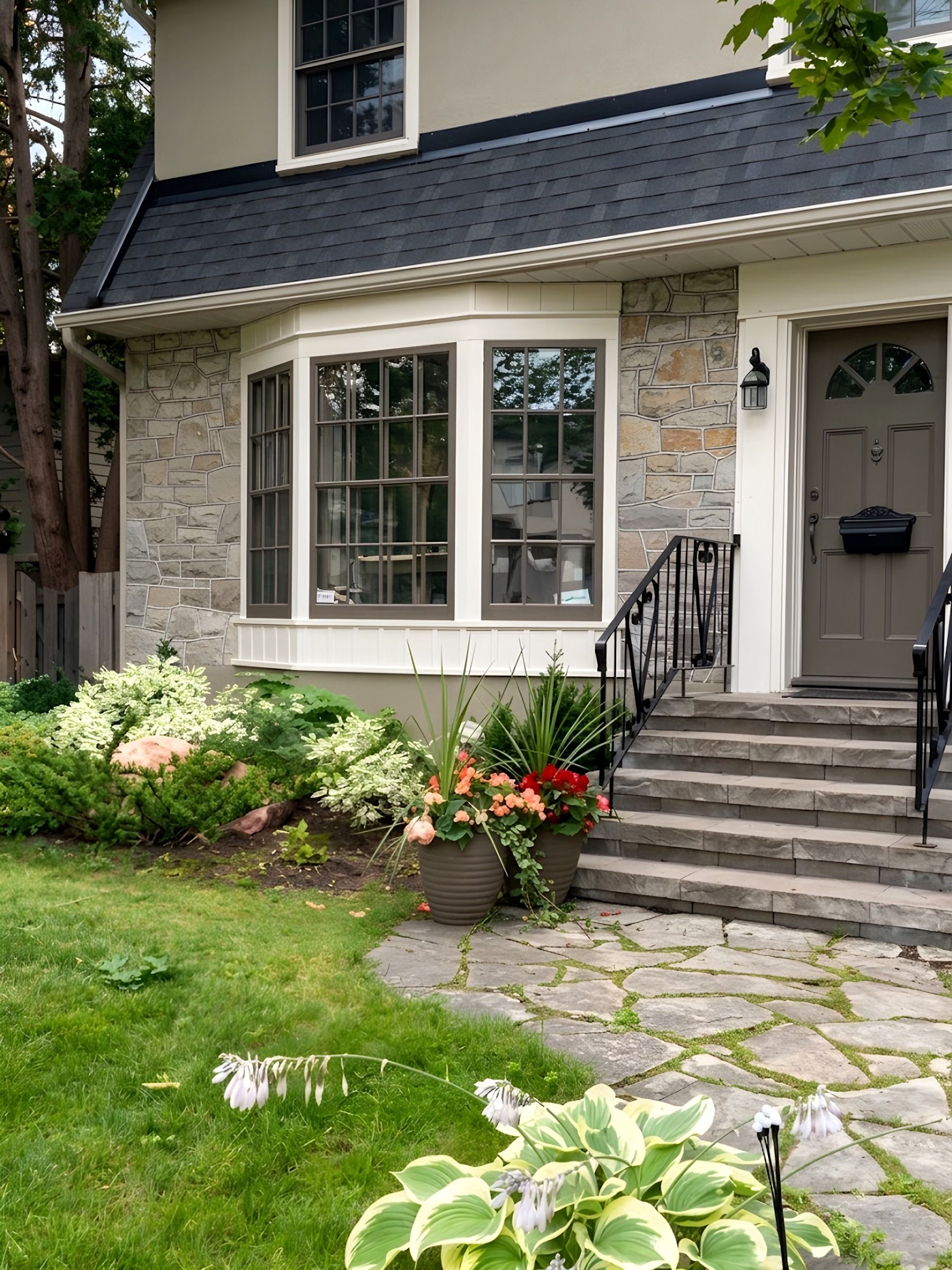
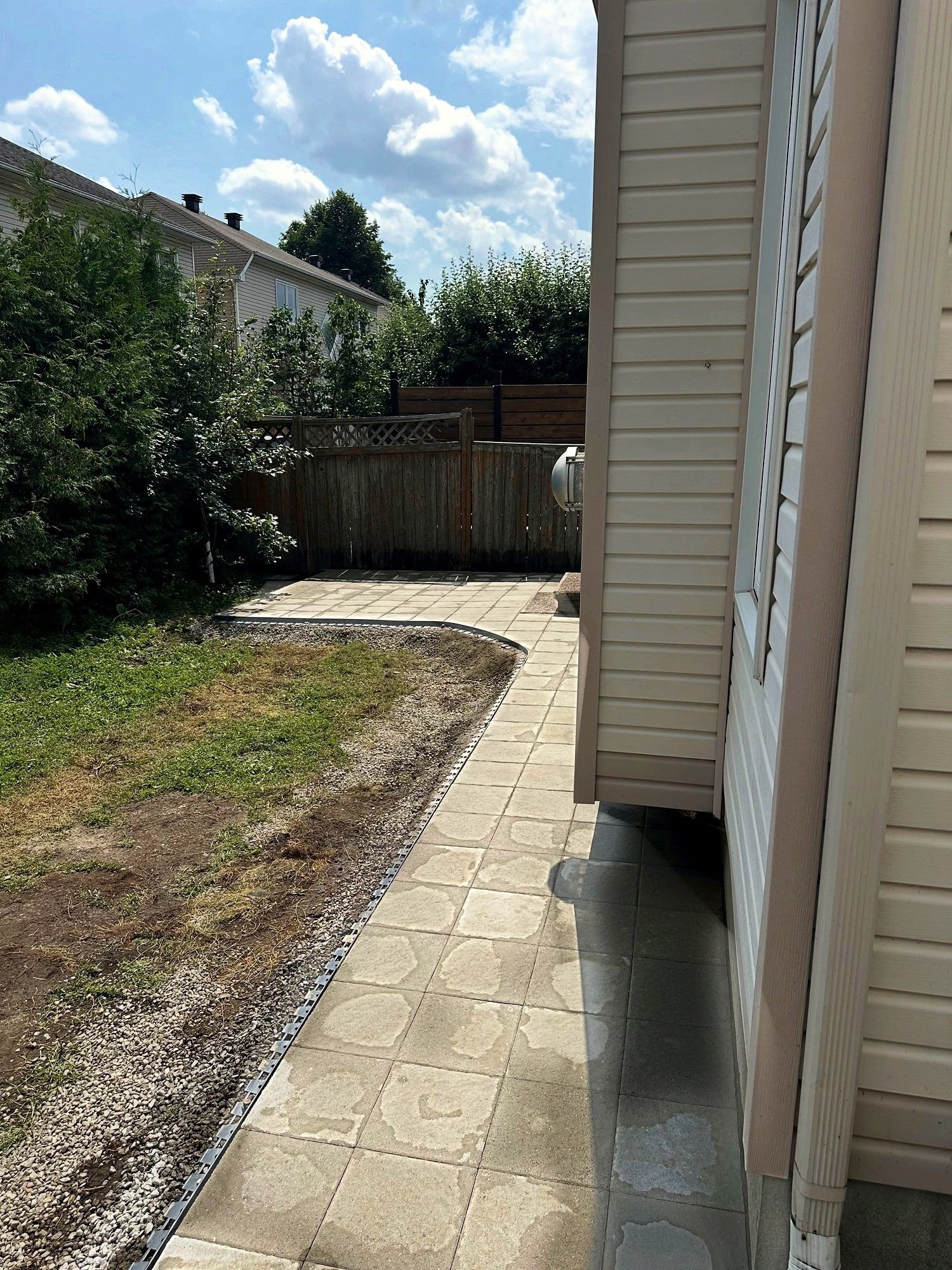
Interlock patios, walkways and steps for Stittsville homes, many of them on lots less than ten years old. Soft organic spots are dug out, the base is compacted in stages, and the patio is set to keep the lot’s grading plan working.
- Pavers
- Concrete slabs
- Bedding sand
- Compacted gravel base
- Geotextile fabric
The local picture
Interlock in Stittsville
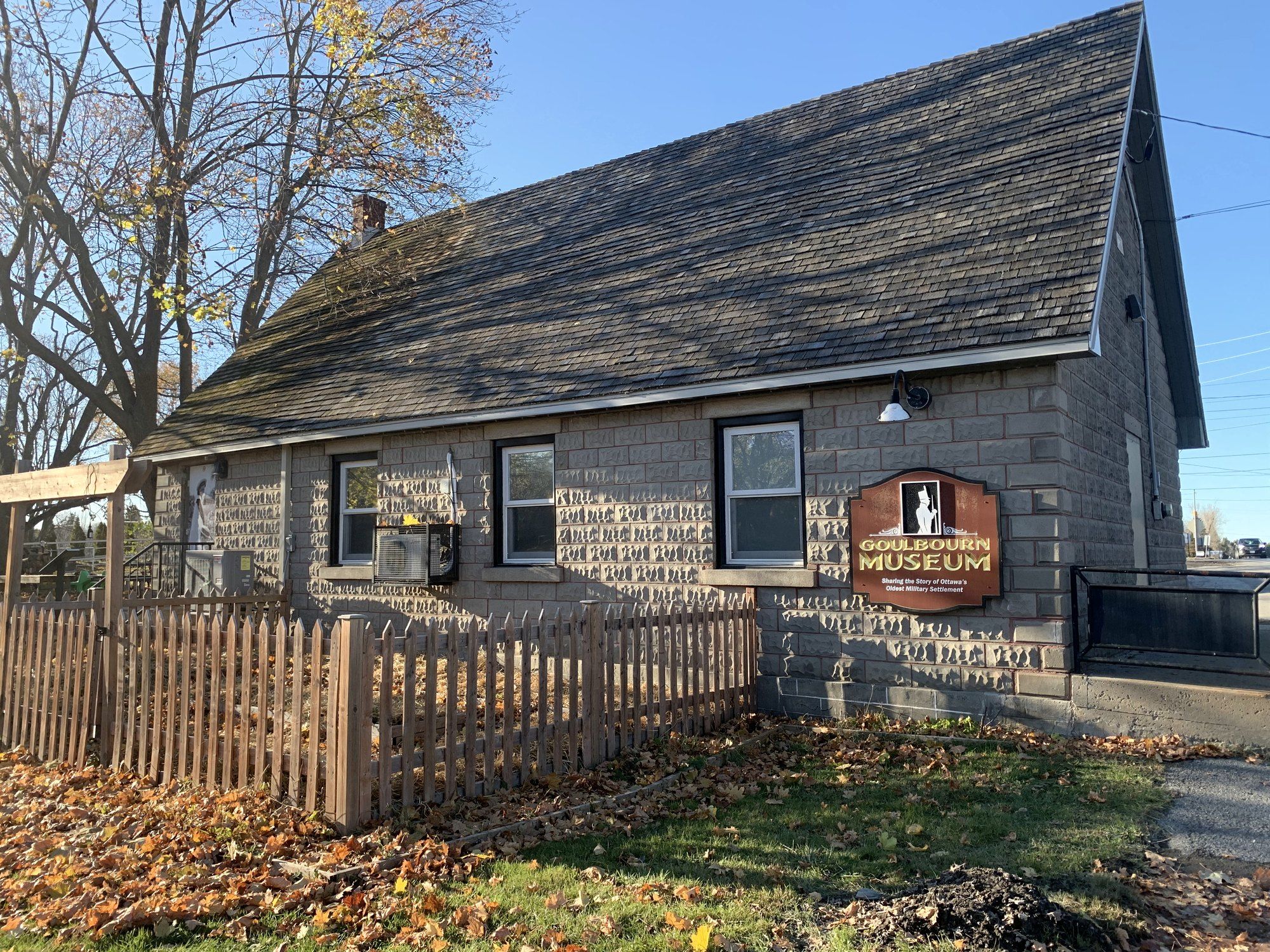
Almost a third of the Poole Creek catchment around Stittsville is mapped as organic deposits, the soft wet ground around the Goulbourn Wetland. Organic soil compresses and rots under a patio. Soft spots are dug out and replaced with compacted granular base before the sand and pavers go down.
Nearly half of Stittsville’s homes are less than ten years old, and many lots still follow their original grading plan. The City expects owners to keep those grades and leave swales open, so patio height and slope are set to match the plan.
Interlock repair and new patios in Stittsville
Fairwinds, Hartsmere, Fernbank and the village streets
Korvex Construction repairs and builds interlock in Stittsville: sunken patios relaid on a rebuilt base, new back patios, front walkways and steps at the door. We cover newer areas such as Fairwinds, Hartsmere and Fernbank as well as the older streets near Stittsville Main Street. The site visit and the written estimate are free; book online or call 613-880-7679.
About 44% of Stittsville’s homes have been built since 2016. On a lot that young, the first patio may have gone down while the yard was still settling. Soil backfilled around a new foundation and over service trenches keeps consolidating after the house is finished, and pavers laid over it can dip along the wall and over the trench line.
What a lasting interlock repair includes
Relaying on a rebuilt base
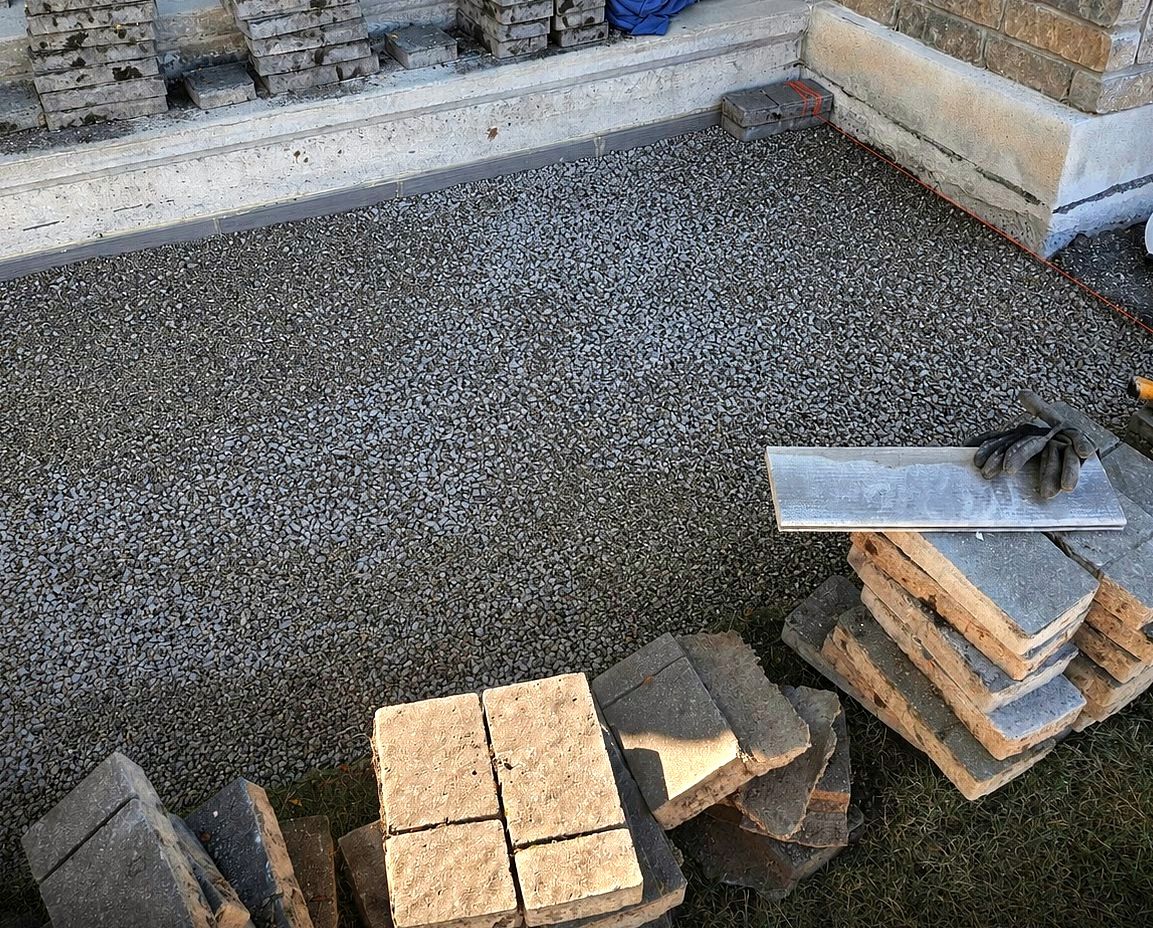
Topping up sand under a dip hides it for a season. A lasting repair finds why the base gave way. The pavers in the low area come up and are stacked, the old bedding and base come out down to firm ground, soft organic soil is dug out, and new granular base is placed and compacted before the bedding is screeded and the pavers go back.
The repaired patch is tied into the paving around it so the slope runs through without a ridge at the seam. Where pavers have crept, the edge restraint is reset. Joints are then filled with jointing sand. Polymeric sand is a common choice because it firms up against washout and weeds, and it still needs a sound base: it cannot hold pavers that are moving.
Shallow rock and the Poole Creek corridor
About 37% of the Poole Creek catchment around Stittsville is mapped as bedrock at the surface. Rock close under a patio limits the dig-out, and water that soaks through the base can sit on the rock and freeze. On those yards the slope and the way out for water do more of the work, and we plan both before the base goes in.
Surveys found moderate bank erosion along parts of Poole Creek, including stretches through residential areas. A yard that backs onto the creek corridor has its patio sloped so runoff stays off the bank.
At the site visit
What we check on a lot in Stittsville
- 01
Where the patio dips: along the wall, over a trench line or under a downspout
- 02
Whether the existing pavers are sound enough to relay
- 03
Swales and side-yard drainage from the lot’s grading plan
- 04
Spongy or dark organic ground at the edge of the paving
- 05
Rock showing in the yard or in the neighbours’ yards
- 06
Edge restraint and how far the pavers have crept
What we plan around
Local conditions in Stittsville
Each point links to the public source it was checked against. At the site visit we check how it applies to your lot.
- New homes, recent grading plans
Nearly half of Stittsville’s homes are less than ten years old, so many lots still follow their original grading plan. The City expects owners to keep those grades and leave swales open.
- Wetland and organic soils
Almost a third of the same area is organic deposits, the soft wet ground around the Goulbourn Wetland. Soft spots under patios and walls are dug out and replaced with compacted granular base.
How we build it
What goes under an interlock patio
A patio stays flat when the base under it is deep enough, compacted and sloped.
- Excavation
Grass, topsoil and roots come out. Organic soil compresses and rots.
- Slope
The surface falls away from the house, so water runs off, away from the foundation.
- Compaction
Compacted and checked before the sand. Loose base is the main reason pavers sink.
- Edges
Edges are held in place so pavers stay tight and in line.
- Pavers or slabsSet on a slope so rain runs off the surface and away from the house.Set on the bedding
- Sand bedding layerScreeded flat by hand so every paver sits evenly.Screeded flat
- Compacted gravel baseCompacted in stages. This layer carries the load through freeze and thaw.Placed in lifts
- Geotextile fabricKeeps the base gravel from mixing into the soil below.Laid over the soil
- Excavated native soilTopsoil and soft ground are dug out before the base goes in.To firm ground
Projects
Interlock we have built
Recent jobs from across Ottawa.
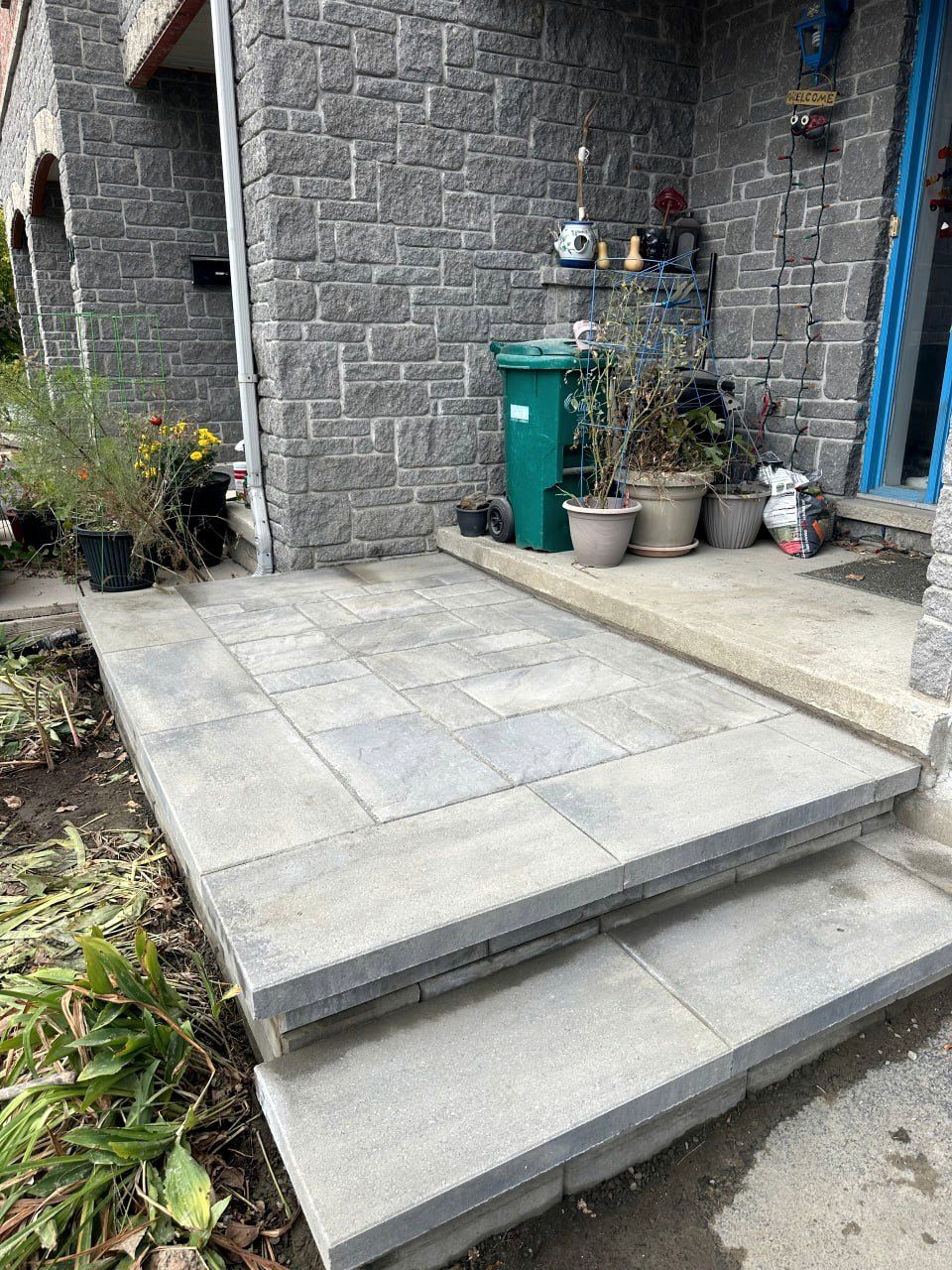
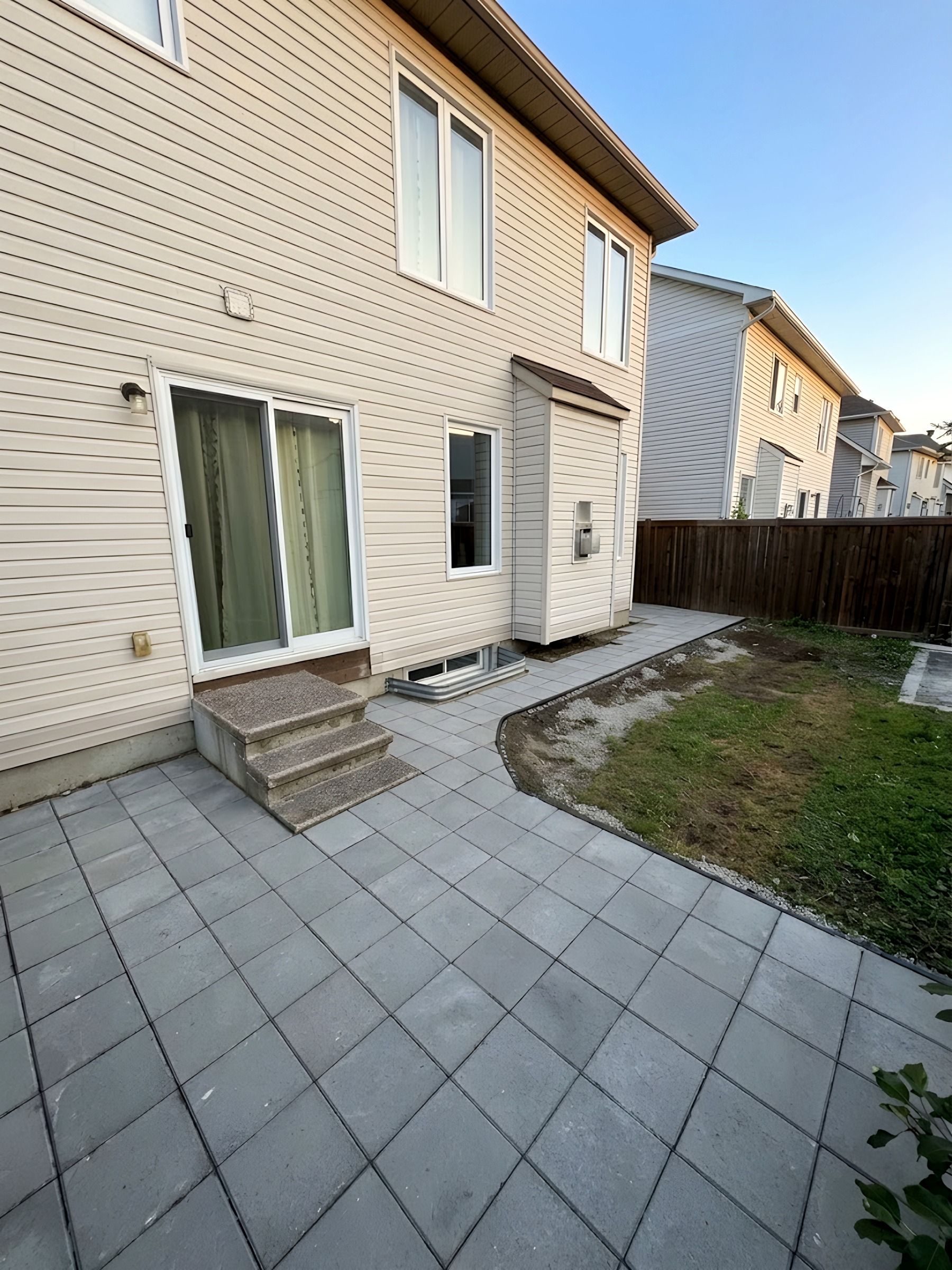
“Vlad and his crew installed my patio in 2 days. Did excellent work and vlad answered any and all questions I asked. I highly recommend Korvex Development for any job you may require.”
Joe Ayoub · Patio installed
FAQ
Interlock in Stittsville: common questions
Our builder’s patio sank after a few winters. Is that a base problem?
Usually. A patio on a new lot can sit over backfill that is still settling, organic soil or a base that was never fully compacted. We look at where it sank and how, and the repair rebuilds the base in that area before the pavers are relaid.
Should we repair the sunken section or replace the whole patio?
It depends on how much of the base has failed and the state of the pavers. A sunken area with sound pavers around it can be relaid on its own. When most of the patio rocks or the pavers are breaking up, a full rebuild makes more sense. The written estimate after the site visit sets out the options.
Our patio slabs are already sinking. Can they be relaid?
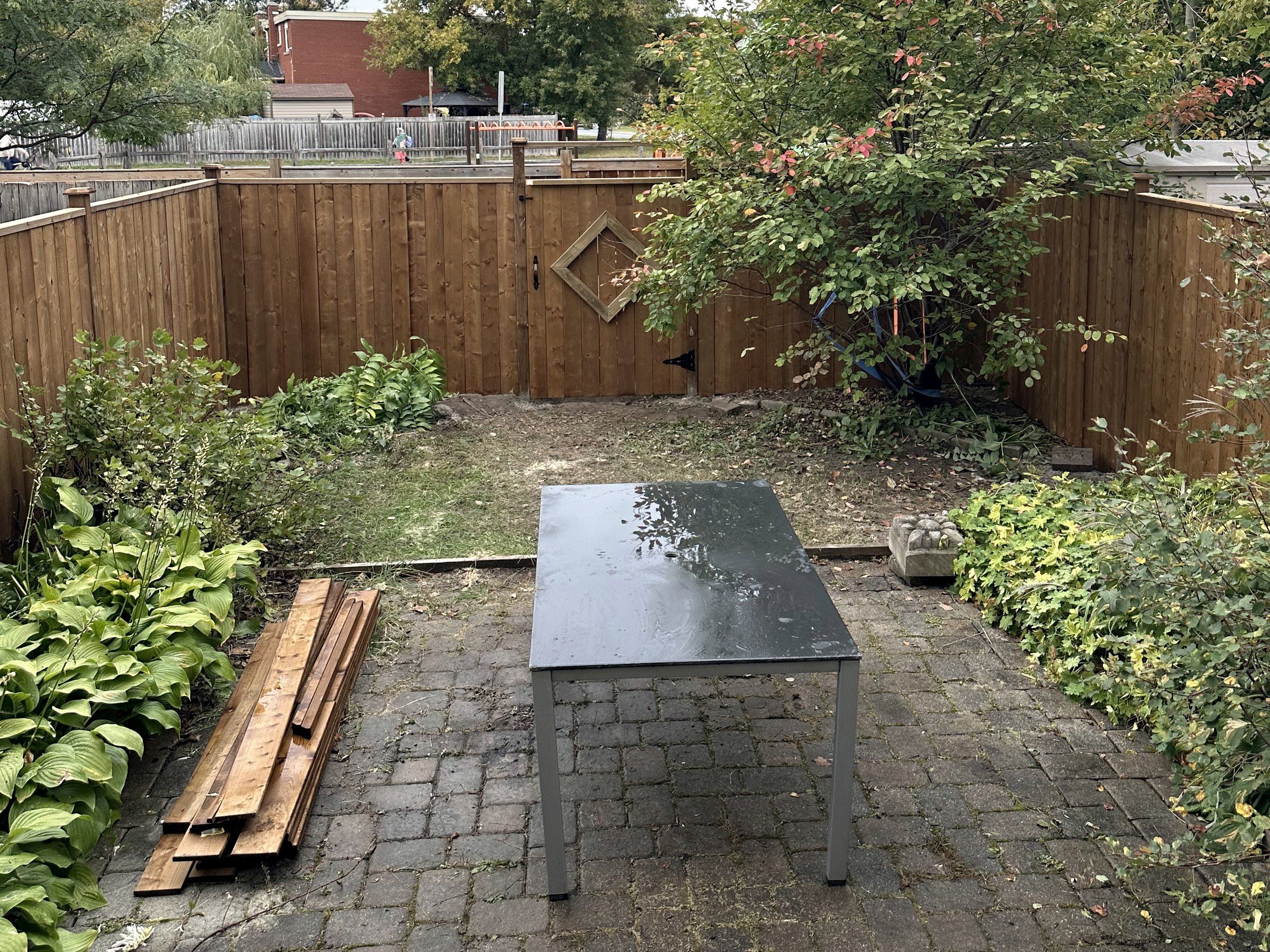
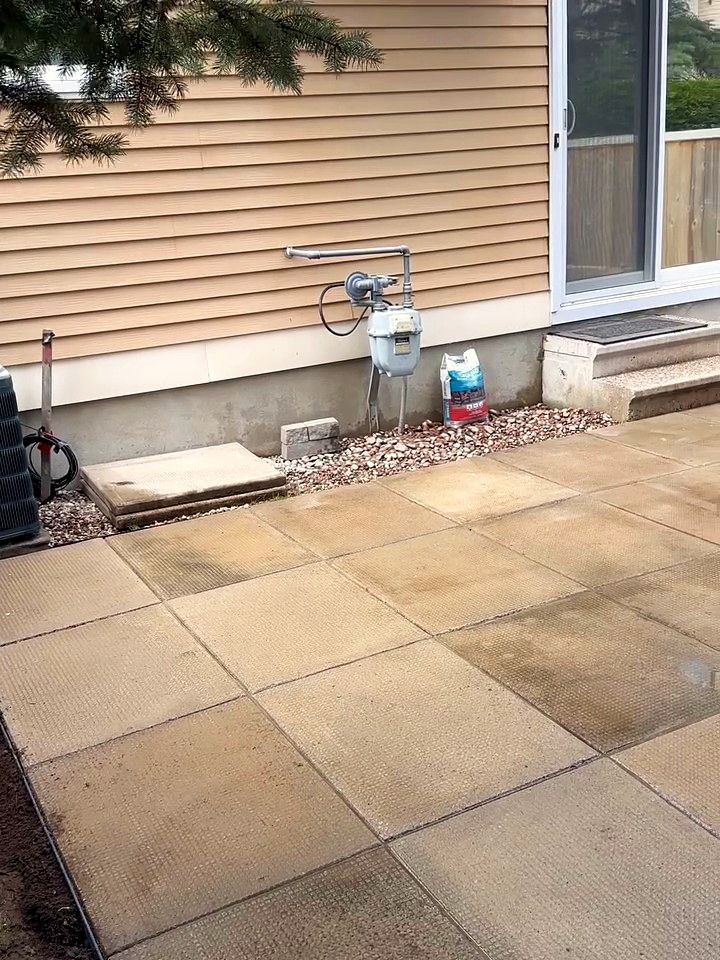
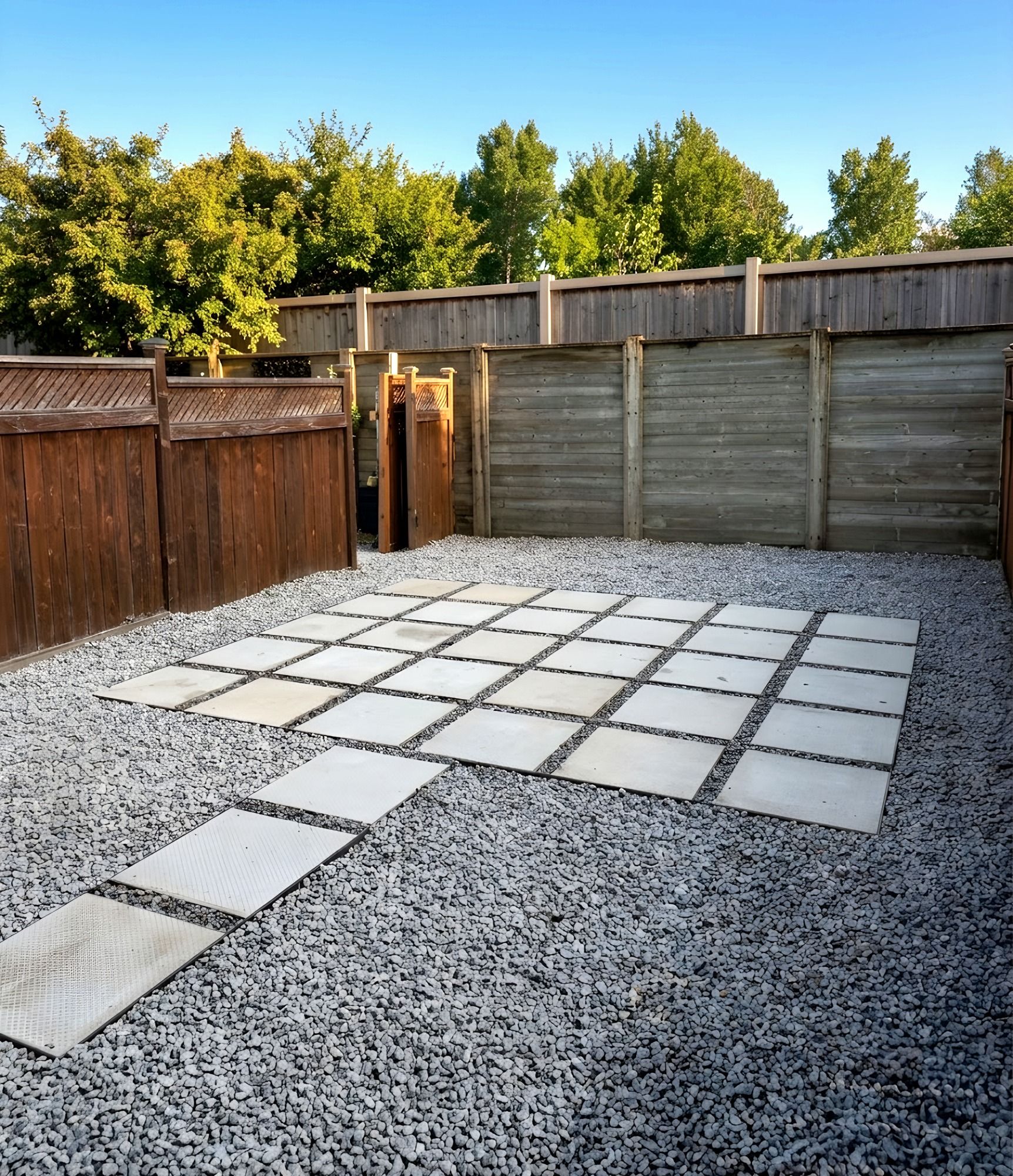
Yes. The slabs are lifted, the base underneath is rebuilt and compacted, and the slabs go back down, sloped away from the house. One of our projects is a slab patio behind a townhouse, relaid on a new base.
Do you work in Stittsville?
Yes. Korvex Construction builds fences, interlock, decks and drainage across Stittsville, from the streets near Stittsville Main Street to newer subdivisions like Fairwinds, Hartsmere and Fernbank. Many of these lots still follow their original grading plan, and the new work is set to keep it working. Request a free estimate or call 613-880-7679.
Why are my pavers sinking?
Pavers sink when the base under them is too thin, was never properly compacted, or sits on soft or organic soil. Water gets into the low spots, freezes and moves the surface a little more each winter. Korvex fixes it at the source: the pavers come up, the base is dug out and rebuilt in compacted layers, and the surface goes back on a slope.

Book a free interlock estimate in Stittsville
Tell us what you want built and send a few photos. We come out, look at what sits under the job, and give you the scope and the price in writing.