




Stucco Repair · Ottawa
Stucco repair in Ottawa
Korvex Construction repairs and refreshes stucco walls across Ottawa, Kanata, Stittsville, Barrhaven, Nepean, Orleans, Manotick and Riverside South. We find where water is getting in, cut out cracked and hollow stucco, patch it in layers and refinish the wall so the repair blends in. Book a free on-site estimate and you get a written price.
- Stucco
- Metal lath
- Weather barrier
- Flashing
What goes wrong
What cracks, stains and hollow spots in stucco mean
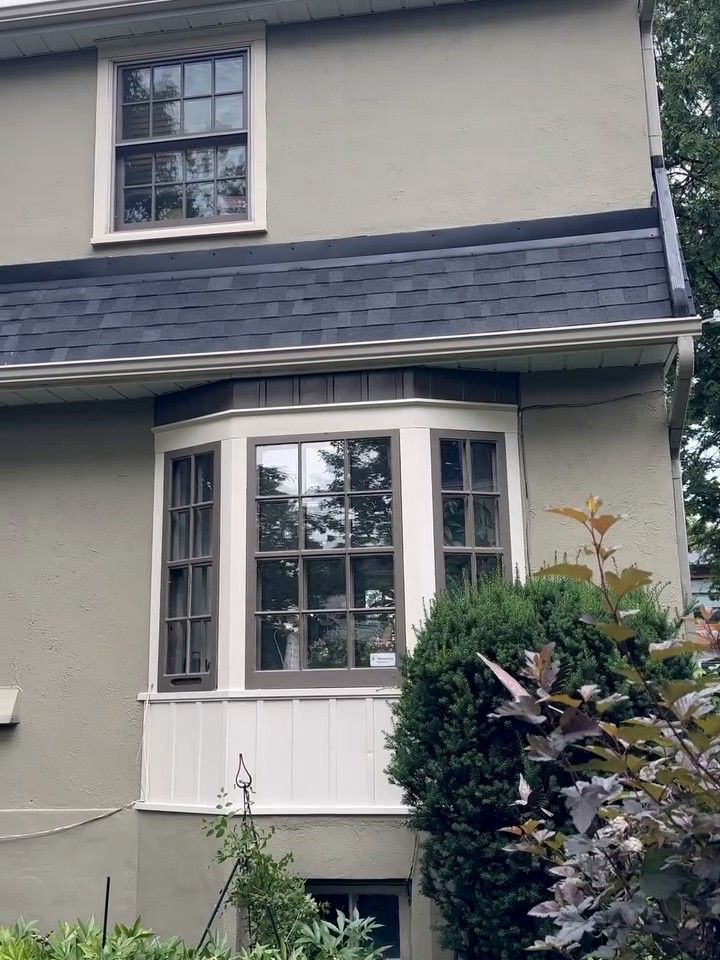
Stucco is a hard, cement-based coat over the wall of the house. Traditional three-coat stucco is not waterproof: it takes on some water and dries out again, and the wall behind it relies on a weather barrier, flashing at every opening and a weep screed along the bottom edge to deal with the water that gets through. Most stucco repairs in Ottawa come back to one of those parts failing.
Fine cracks are the most common sign. Stucco shrinks as it cures, and temperature swings and freeze-thaw cycles open more hairline cracks over the years. They are usually cosmetic and still worth sealing, since each one lets a little water in. A crack deserves a closer look when it is wider than about 1/8 of an inch, offset, stair-stepped or continuous, when it grows back after a patch, or when doors and drywall inside are acting up at the same time. Cracks like that can point to movement in the foundation or the framing behind the stucco.
Water behind the coat shows itself in other ways. Dark or streaked staining below windows, light fixtures, hose bibs or roof-to-wall corners, white mineral deposits at the base of the wall or below a crack, and stucco that crumbles, sounds hollow or flexes when pressed all suggest moisture where it should not be. Missing or poorly installed flashing at windows, doors, roof-to-wall corners or a deck ledger is a common source. Sealing a crack over wet sheathing does not dry anything; it can trap the water in.
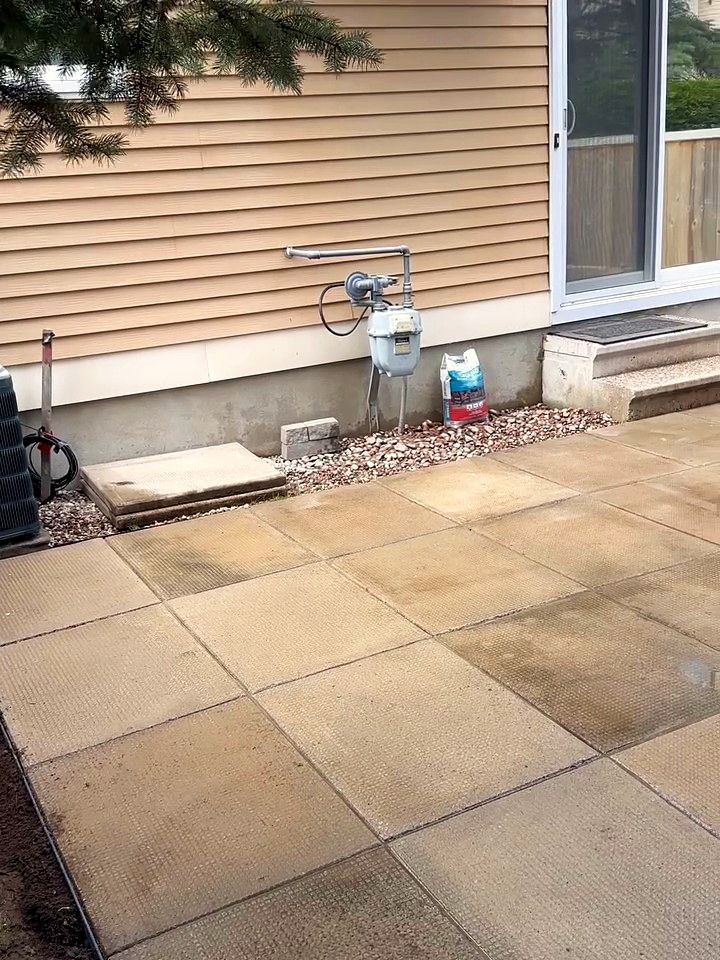
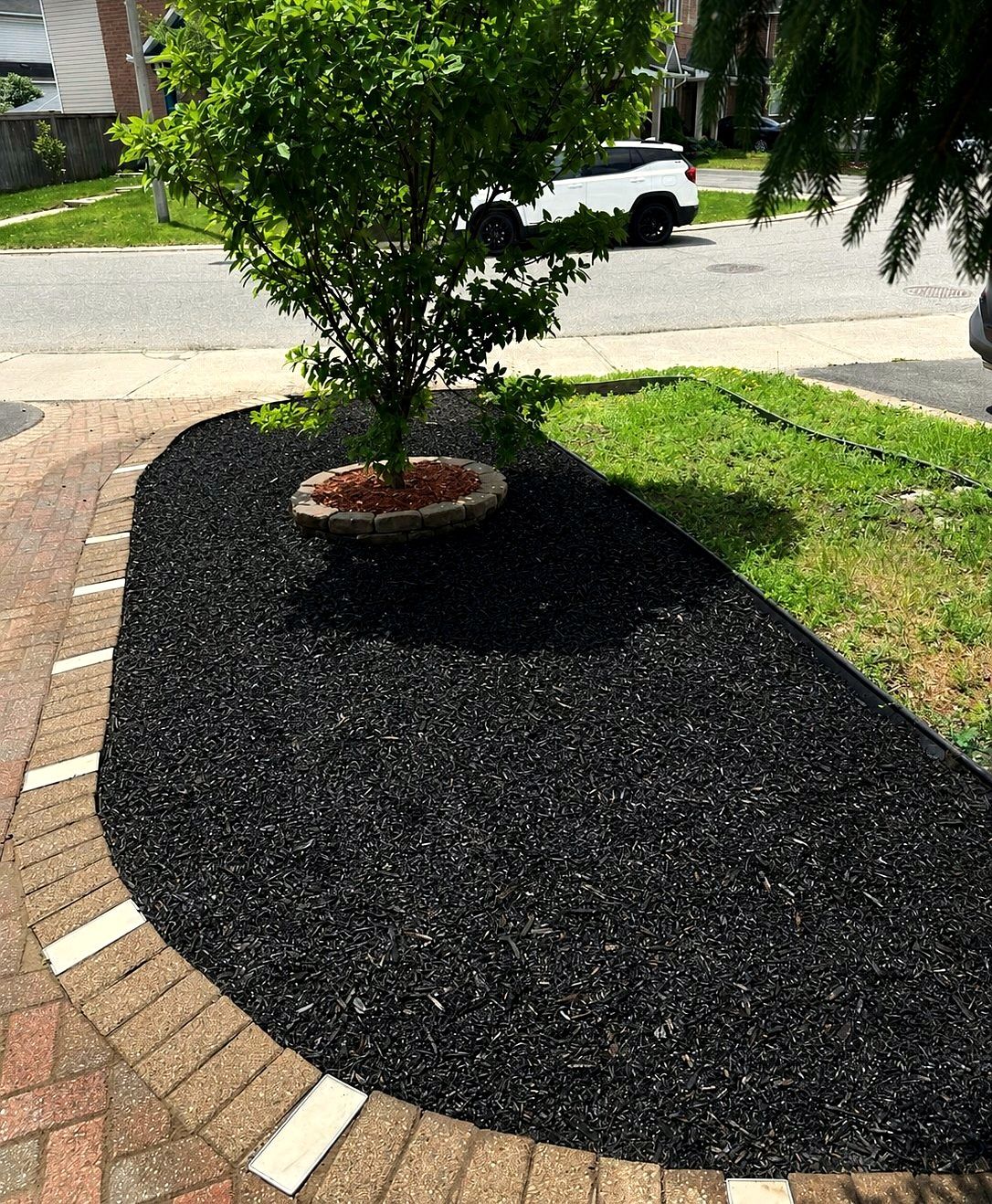
The bottom edge matters too. The weep screed lets water out at the foot of the wall, usually several inches above grade, and soil, mulch or pavers built up against it bury that exit. On a house with a garden bed or a raised patio along the wall, the stucco at the bottom is often the first to stain and let go.
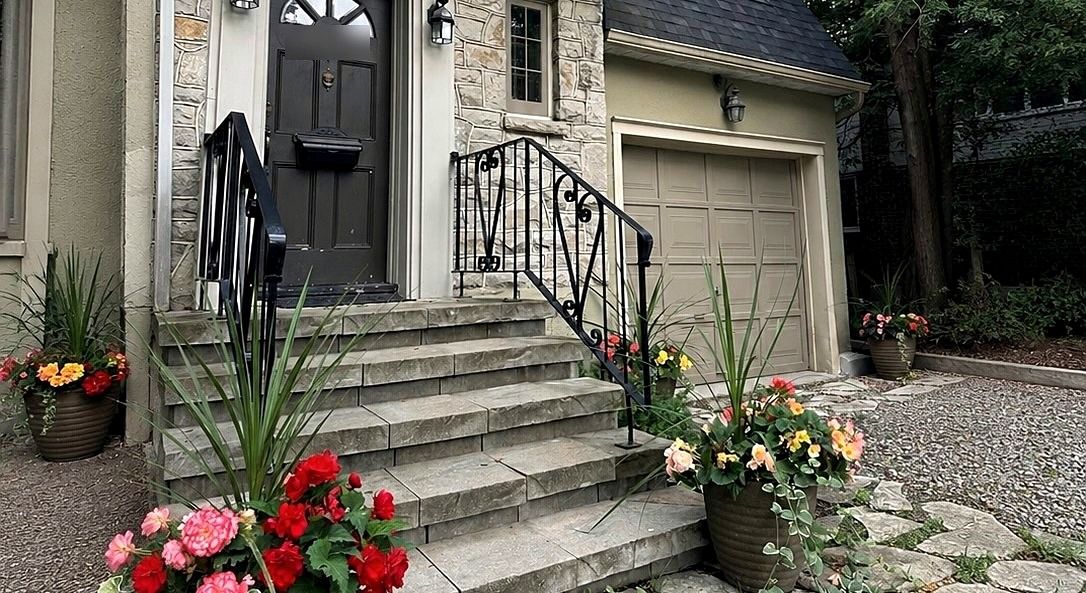
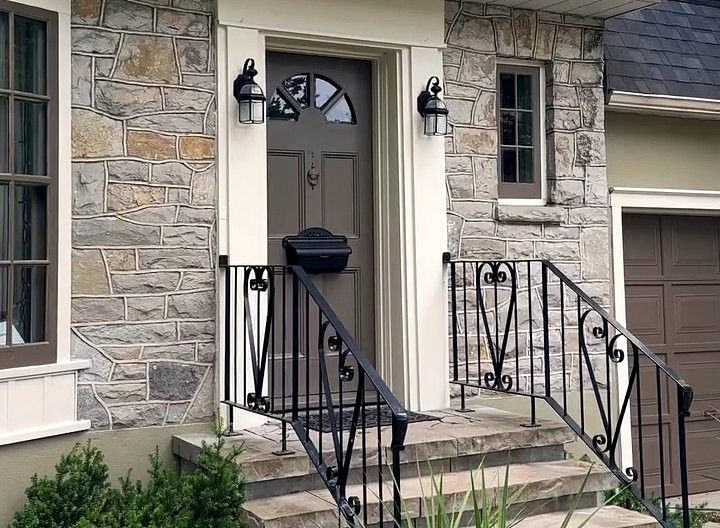
A lasting repair starts with the water. We find where it gets in, cut out cracked and hollow stucco back to sound material, repair the lath or barrier where they are damaged, and rebuild the patch in layers. Where the cracking and fading are spread across a wall, washing and refinishing the whole wall gives a more even result than dozens of patches. On one Korvex job, a stone-and-stucco house in Ottawa, the stucco walls were pressure-washed and refinished around the cut stone, white trim, iron railings and a planted garden.
How we build it
What sits behind a stucco patch
Traditional stucco is built in layers over a wall that has to shed water on its own. A patch holds when each layer under it is sound: the drawing shows the parts we check from the surface inward.
- Tap the wall
Hollow-sounding stucco has lost its bond. Tapping also tells cement stucco, which feels hard, from synthetic stucco over foam, which feels softer.
- Find the water
Stains, white deposits and soft spots are traced to the flashing, sealant joints or bottom edge that let water in, and that is fixed with the patch.
- Cut back to sound
Cracked and loose stucco comes out until the edges are solid, so the patch bonds to sound material.
- Layer by layer
Deep patches go back in coats, each left to set before the next, with the finish coat last.
- Blend the finish
An exact colour match is hard and a fresh patch can look different while it cures, so where patches would be many, the whole wall is refinished.
- Cure it right
Cement stucco cures best kept slightly damp, out of strong sun, and in Ottawa it is a spring-to-fall job because it needs temperatures above freezing.
- Finish coatApplied last, coloured or painted to blend with the wall around it.Blended to the wall
- Base coatsBuilt up in layers, each scored and left to set before the next.In layers
- Metal lathChecked wherever the stucco is opened; rusted lath is replaced before patching.Fastened to the backing
- Weather barrierTorn sections are repaired so water that gets past the stucco drains down and out.Lapped at every seam
- SheathingChecked for soft or wet spots where water got behind the stucco.Screwed to the framing
- Wall framingDamage found here is shown to you before anything is closed up.Checked straight
What we build
Stucco repair: the work we take on
Stucco crack repair
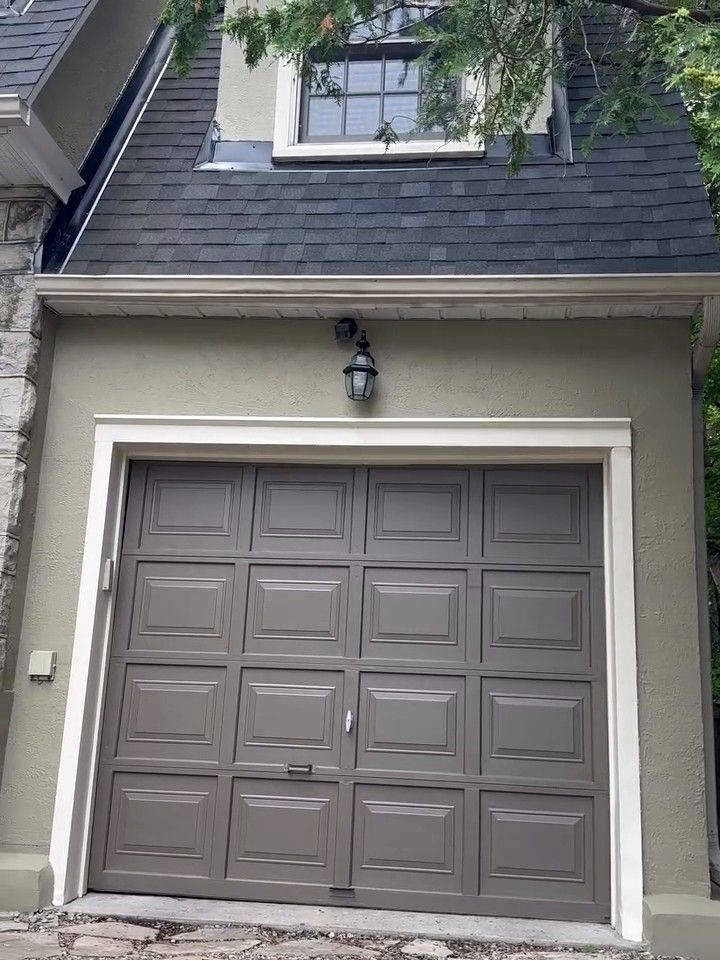
Hairline cracks sealed with a product made for stucco, and wider or recurring cracks opened up, checked for water and movement, and patched through the coats.

Hollow, bulging or loose stucco
Areas that sound hollow, flex or bulge are cut back to sound stucco, the lath and weather barrier behind are checked, and the opening is rebuilt in layers.
Stained or dull stucco
Dirt, streaks and old staining washed off with a pressure washer, working along the wall above beds and stepping stones, before any patching or refinishing.
Refinishing and full refresh
Stucco walls washed and refinished as a whole, so patches and old fading disappear under one even finish, with the stone and trim left clean.
Windows, trim, stone and flashing
Where stucco meets a window, trim, stone or the roofline, the flashing and the sealant joints are checked, and the refinish stops cleanly at each edge.
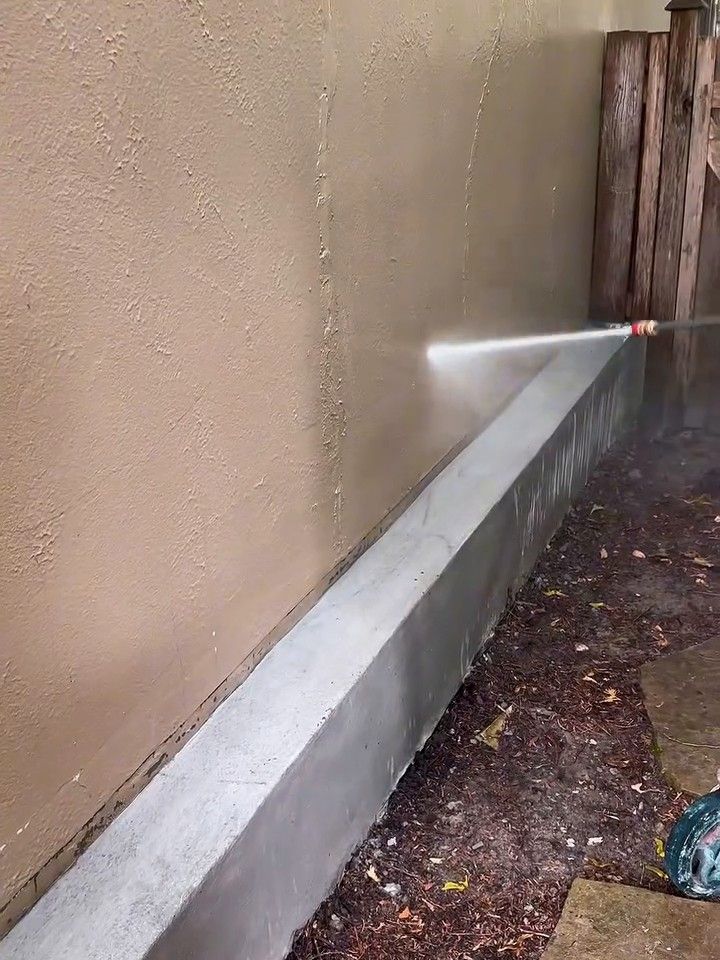
The foot of the wall
Soil, mulch and stone pulled back from the bottom edge where they bury it, and the joint with the parging or concrete ledge below looked at for gaps.
Real projects
Stucco repair we have built
Recent Korvex jobs in Ottawa.
Stone and stucco house exterior refreshed
The stucco walls of a stone-and-stucco house pressure-washed and refinished, working around the stone, railings and garden.
View projectRelated projects
Often part of the same job
“Vlad and his crew installed my patio in 2 days. Did excellent work and vlad answered any and all questions I asked. I highly recommend Korvex Development for any job you may require.”
Joe Ayoub · Patio installed
“Did awesome work! had them repair a leany fence and they were on time, cheap and super professional”

Josh Cohen-Collier · Leaning fence repaired
Related services
Often built together
FAQ
What homeowners ask about stucco repair
Can cracked stucco be repaired, or does it need replacing?
Most cracked stucco can be repaired. Where the stucco is still bonded to the wall, cracks are sealed or patched and the wall is refinished. Replacement comes up when large areas sound hollow, crumble or hide water damage behind them. Korvex Construction looks at the wall in person anywhere in Ottawa and the suburbs, taps for hollow spots and checks every crack before recommending a repair or a refresh.
Are hairline cracks in stucco a problem?
Usually they are cosmetic: stucco shrinks as it cures, and seasonal temperature swings and freeze-thaw cycles add fine cracks over time. They are still worth sealing, since each lets a little water in. Cracks wider than about 1/8 of an inch, offset or stair-stepped ones, cracks that come back after a patch, and cracks that appear with sticking doors or drywall cracks inside can point to movement in the foundation or framing, and get a closer look.
Why does part of my stucco sound hollow?
On cement stucco, a hollow sound means the coat has lost its bond with what is behind it, and it can point to water damage there. Those areas are cut out, the lath and barrier are checked, and the patch is rebuilt in layers. Synthetic stucco over foam sounds hollow by nature, so tapping is read differently on those walls.
What do dark streaks under my windows mean?
Dark or streaked staining below windows, light fixtures, hose bibs or where a roof meets the wall is a common sign of water getting behind the stucco. The usual cause is flashing that is missing or was installed wrong, or a sealant joint that has failed. The flashing and joints are fixed with the repair, because a patch over a wet wall traps the water in.
Does it matter if my stucco is traditional or synthetic?
Yes. Traditional stucco is a cement-based coat in layers over lath. Synthetic stucco, known as EIFS, is foam insulation board covered with a reinforced base coat and a thin acrylic finish. Each is repaired with its own materials: cement patches on EIFS, or EIFS products on cement stucco, can fail to bond and look different. We tell which one you have at the site visit.
Will a stucco patch match the rest of the wall?
An exact colour match on stucco is hard, and a fresh patch often looks different at first while it cures. Texture is matched to the wall around it. When there are many patches, or the wall has faded unevenly, refinishing the whole wall gives one even colour, and on a stone-and-stucco house the finish stops cleanly at the stone and trim.
Do I need a permit to repair stucco in Ottawa?
Painting and decorating are on the City of Ottawa list of projects that need no building permit; the list does not name stucco repair. Its exemptions do not apply to designated heritage buildings or homes in a Heritage District Overlay, where the City asks you to contact a Building Client Service Centre representative. Where a repair goes past the surface into sheathing or framing, we check with the City before the work is quoted.
How is stucco repair priced?
By the area to be patched or refinished, how much stucco has to come out, what is found behind it, the flashing or joints to be fixed and how easily the wall can be reached, second-storey walls included. Korvex Construction sees the wall in person anywhere in Ottawa, Kanata, Orleans, Barrhaven and nearby, and the written price follows that visit.

Book a free stucco estimate
Tell us what you want built and send a few photos. We come out, look at what sits under the job, and give you the scope and the price in writing.