

Exterior Waterproofing · Kanata, ON
Basement and foundation waterproofing in Kanata
Korvex Construction waterproofs basements from the outside across Kanata, from Beaverbrook and Glen Cairn to Bridlewood, Morgan’s Grant and Kanata Lakes. The leaking wall is excavated, cracks are repaired from the outside, the wall is waterproofed and the weeping tile at the footing is renewed. Book the free on-site estimate; the written quote follows the visit.
- Waterproofing layer
- Weeping tile
- Clear stone
- Compacted backfill
- Dimpled membrane
The local picture
Exterior Waterproofing in Kanata
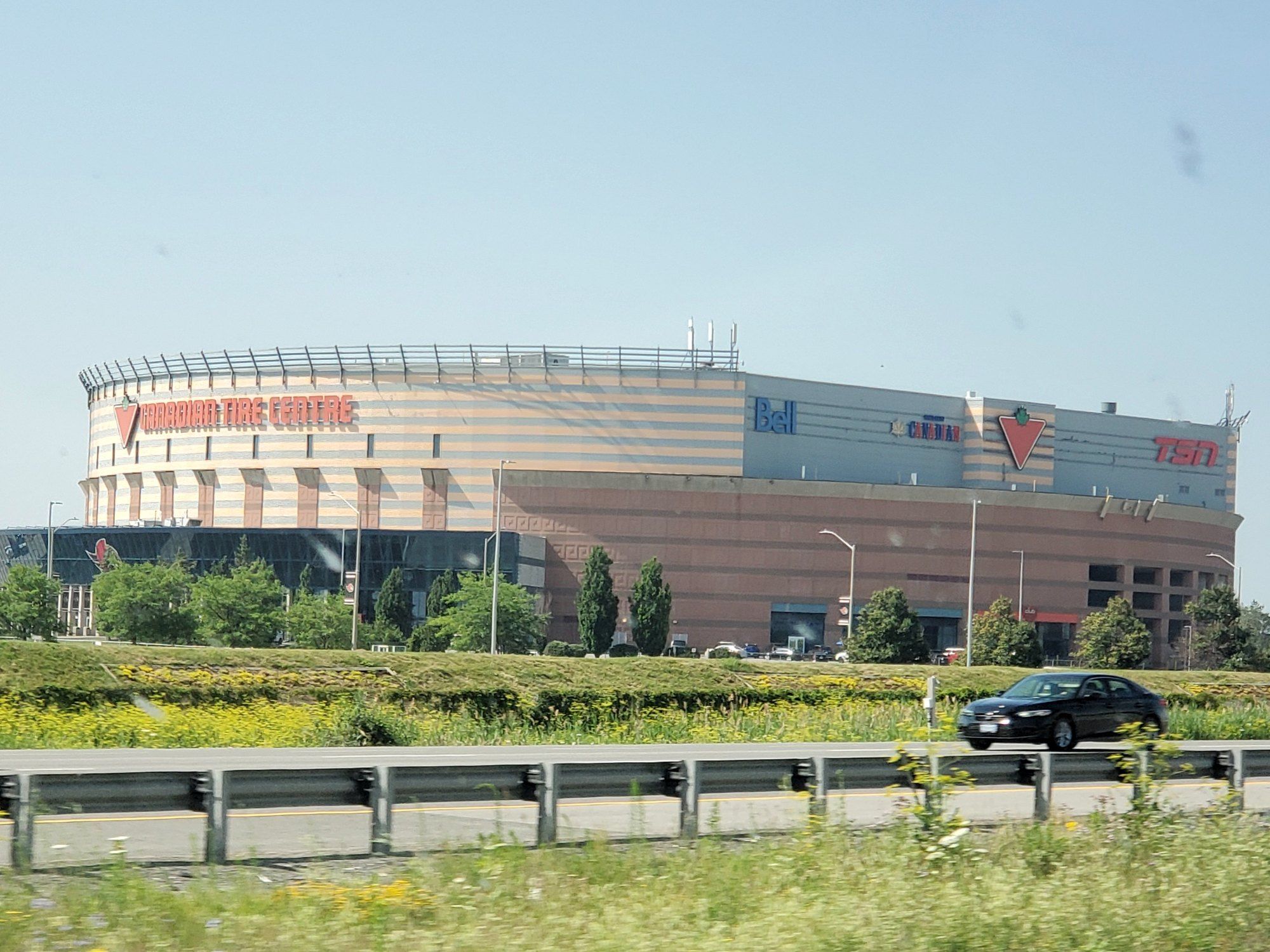
Kanata ground changes over short distances. Near Terry Fox Drive, a City study logged silty clay from about 1 m to 19 m deep with rock at the surface close by, and estimated groundwater at about 2 to 3 m down, moving with the seasons. One side of a house can stand in wet clay while the other sits close to rock, so the excavation is planned wall by wall.
Beaverbrook’s first street, Tiffany Crescent, dates to 1964, so the oldest Kanata basements are now around sixty years old. Original weeping tile of that age can be crushed, clogged with silt or broken by roots. When a leak shows along the base of a wall, replacing the tile while the wall is open is often part of the fix.
Digging along a wall where rock can surface
Beaverbrook, Glen Cairn, Bridlewood, Morgan’s Grant, Kanata Lakes
Korvex Construction handles exterior foundation waterproofing and basement leak repair in Kanata. We find where water enters, excavate along that wall, repair cracks from the outside, waterproof the wall and lay new weeping tile in clear stone at the footing. Request the free on-site estimate online or call 613-880-7679; the written quote comes after the visit.
Rock changes the plan. Where bedrock sits close to the surface beside a house, the excavation can meet it before it reaches the footing. We expose what we can, show you what we found and agree on the scope with you before going further. In deep clay the trench is kept stable, and the wet soil goes to a stockpile set back from the wall.
Carp River groundwater and the footing drain
Western Kanata drains to the Carp River, which the Mississippi Valley Conservation Authority names as one of its highest flood risk areas. The authority is redrawing floodplain maps from 1983, because land use in the upper watershed has changed so much. A City study near the river found groundwater rising and falling with the seasons, and when it is high, the weeping tile at the footing carries more of the load.
That is why we trace where the old tile drains before laying new tile. A footing drain works only when its water has somewhere to go. City guidance says foundation drains should send water to the storm sewer and stay off the sanitary sewer, and the existing connection is checked against that before the trench is backfilled.
The deck, the patio and the air conditioner pad
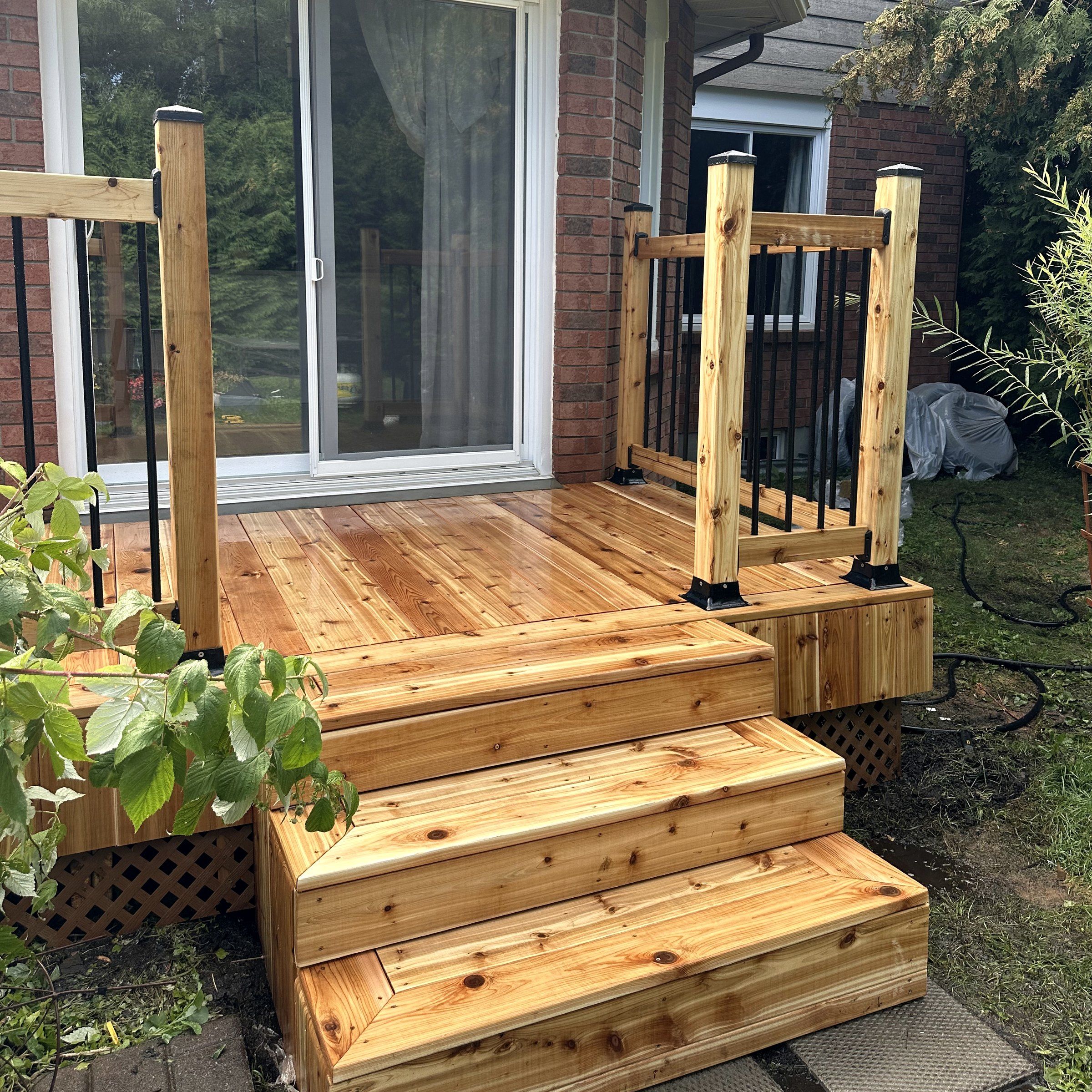
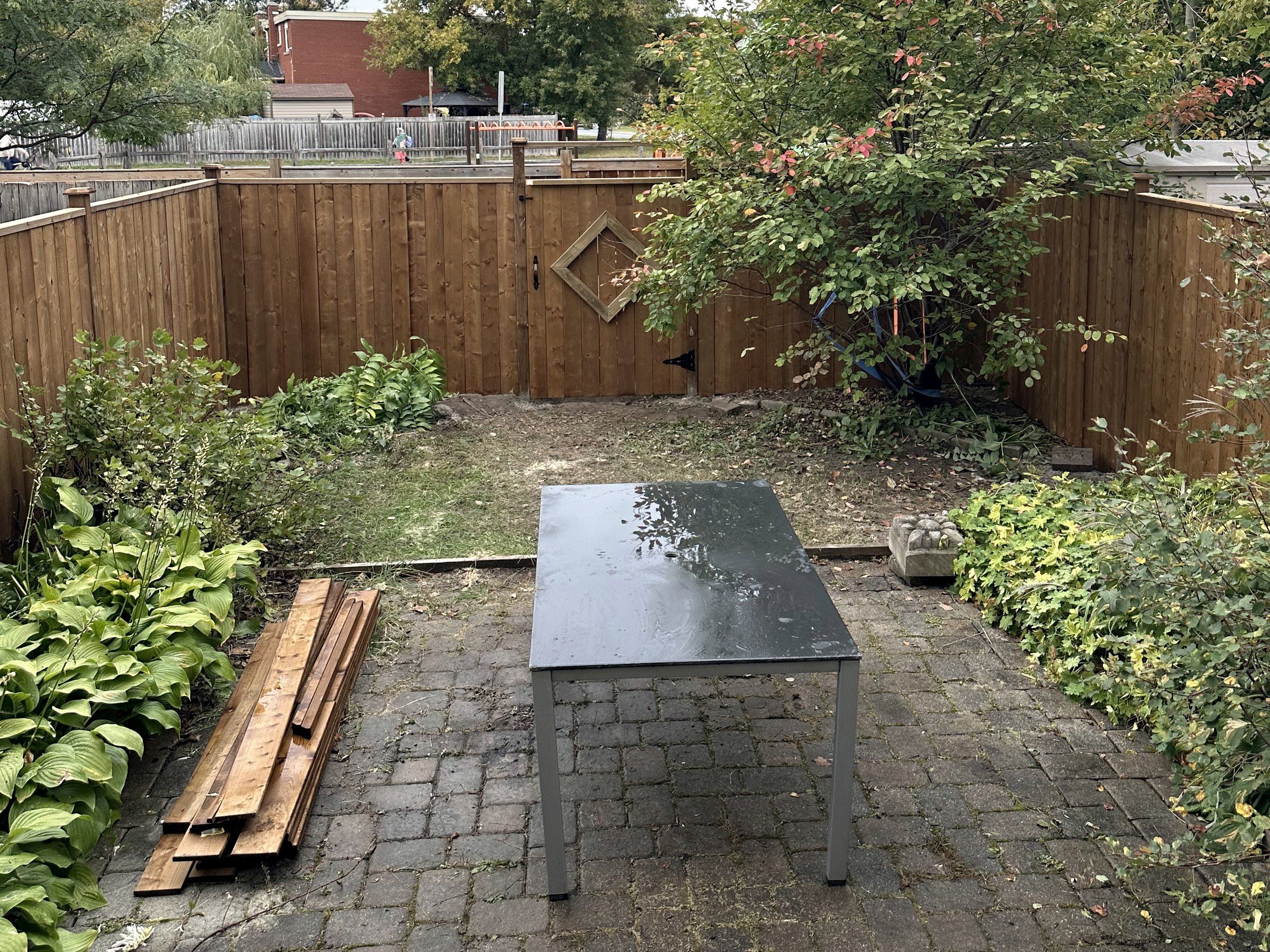
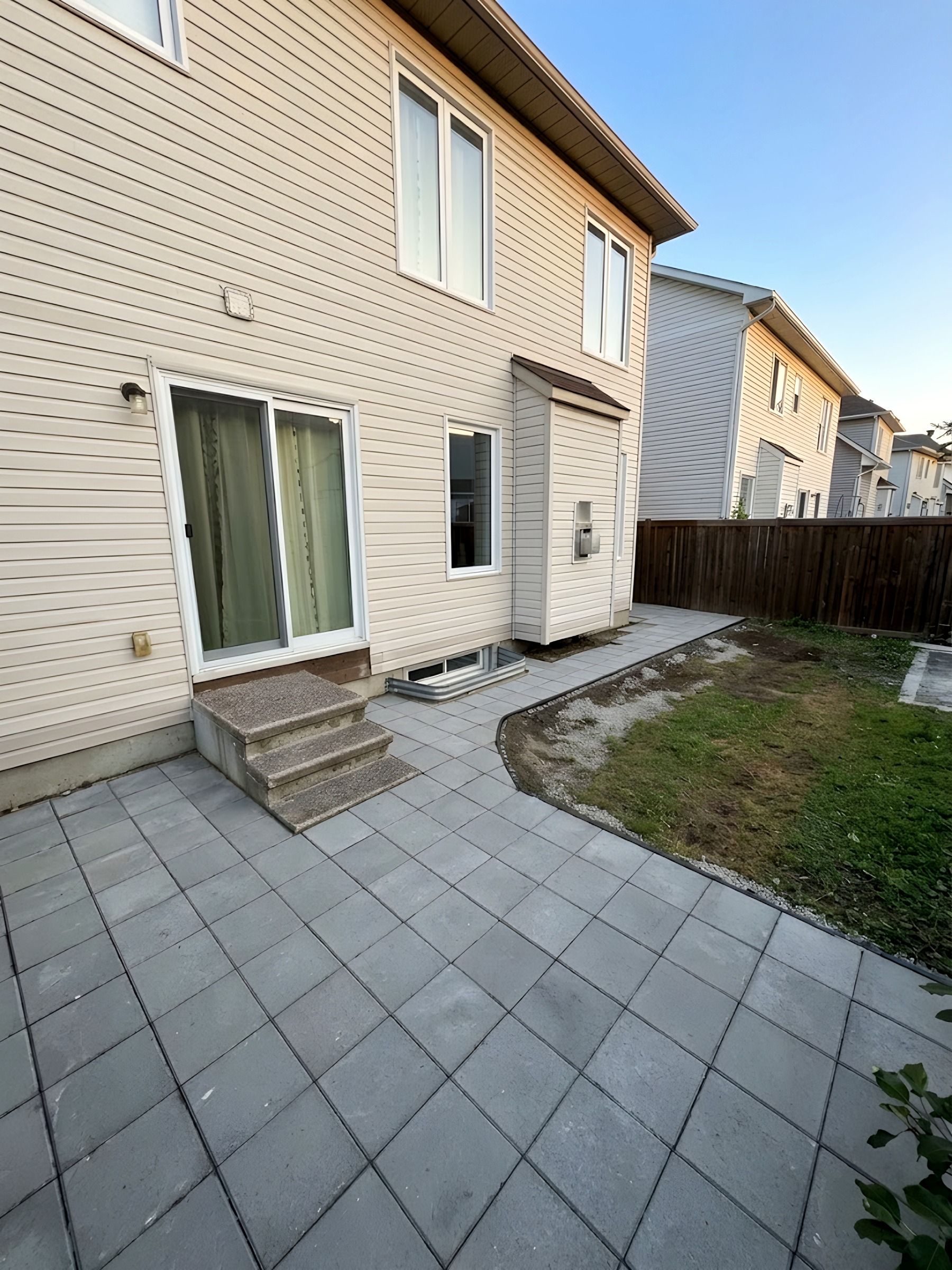
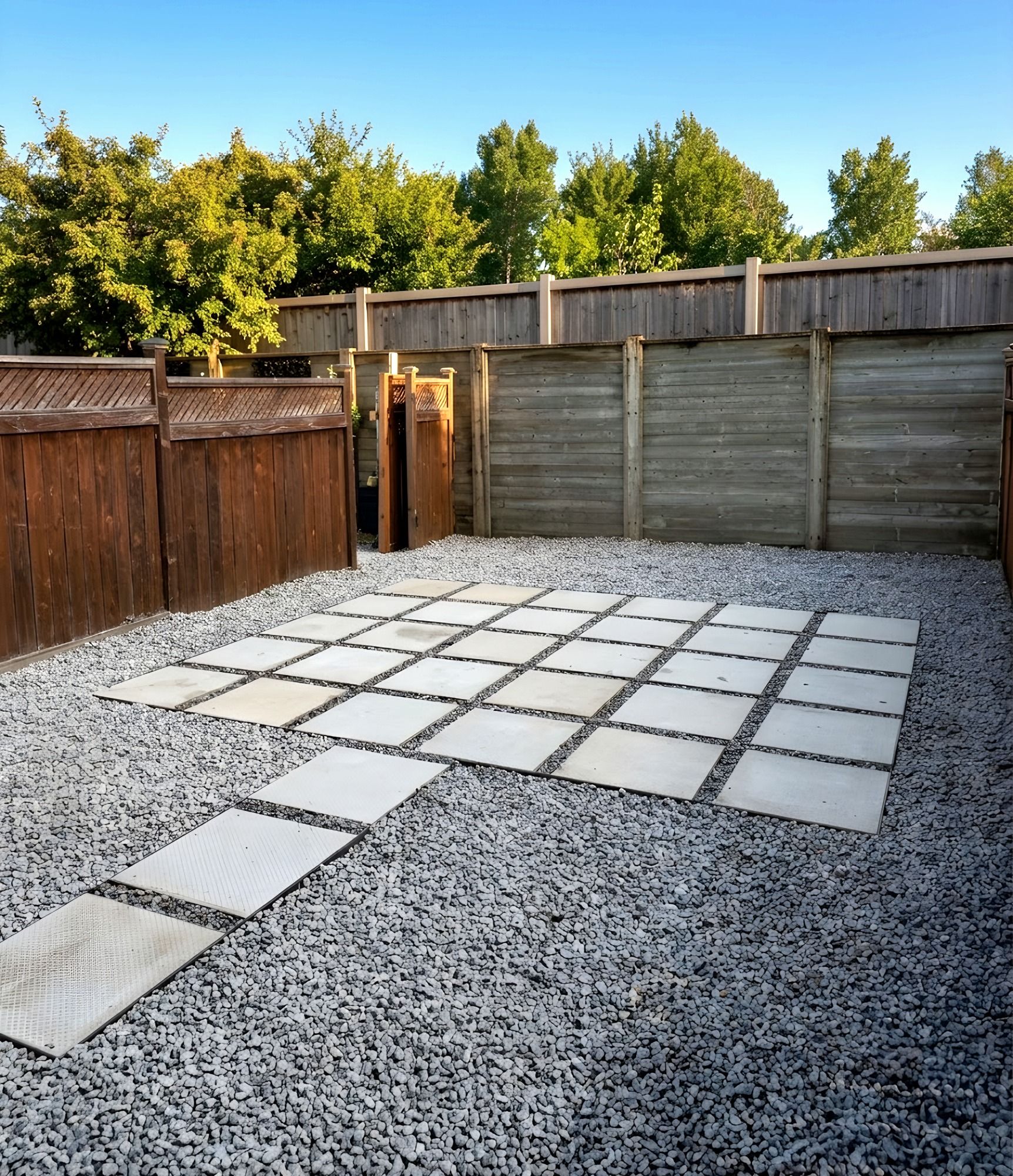
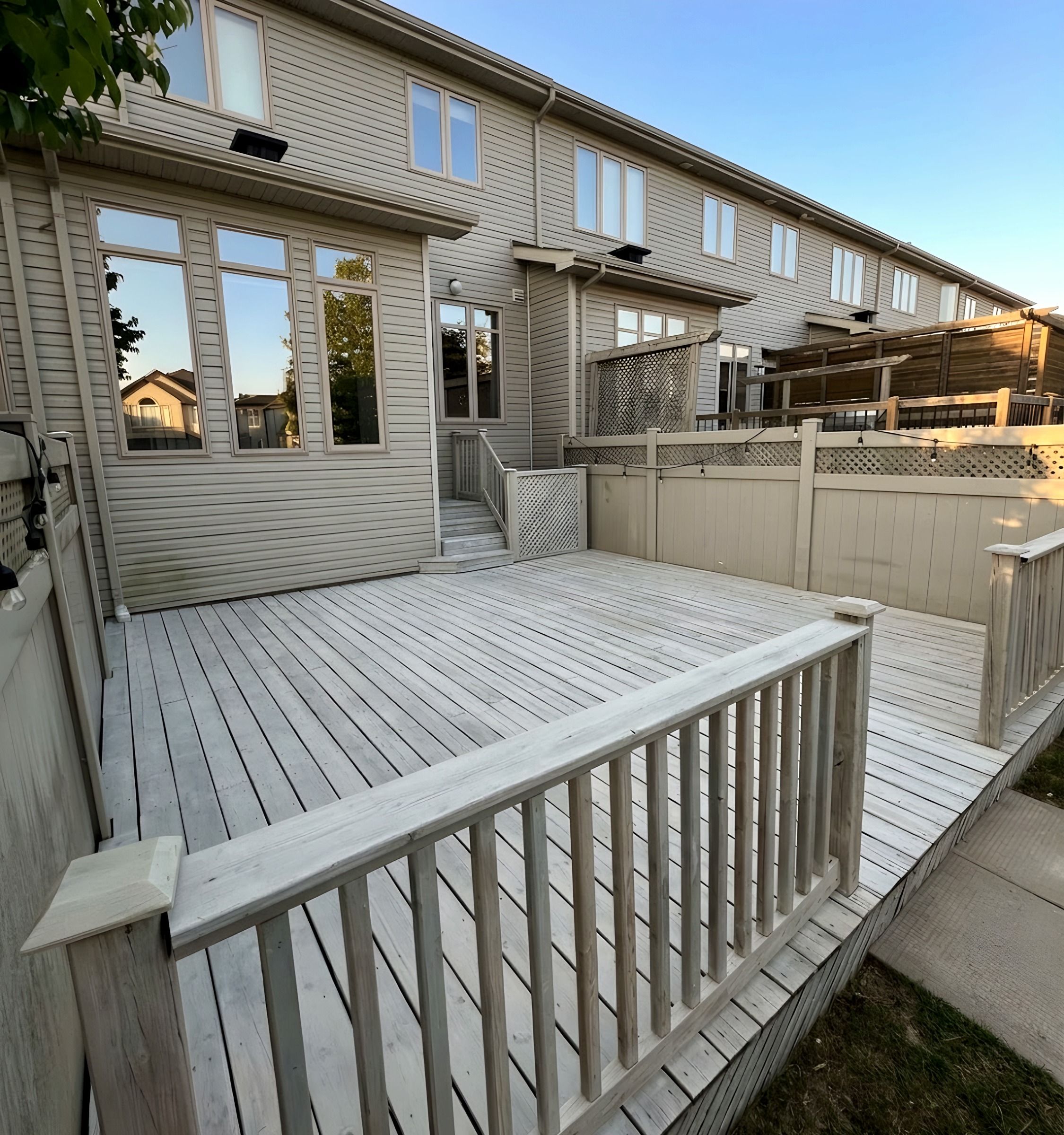
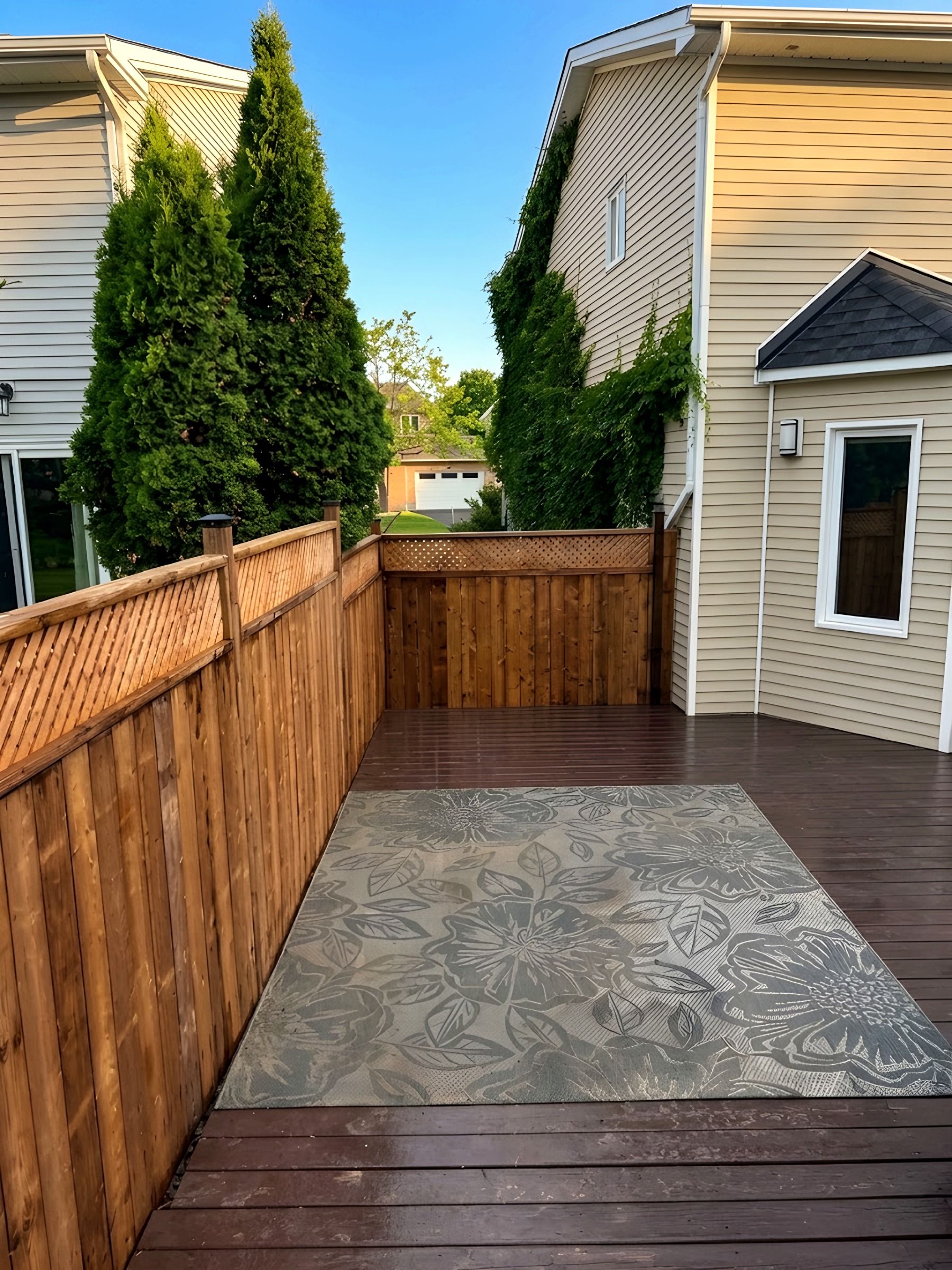
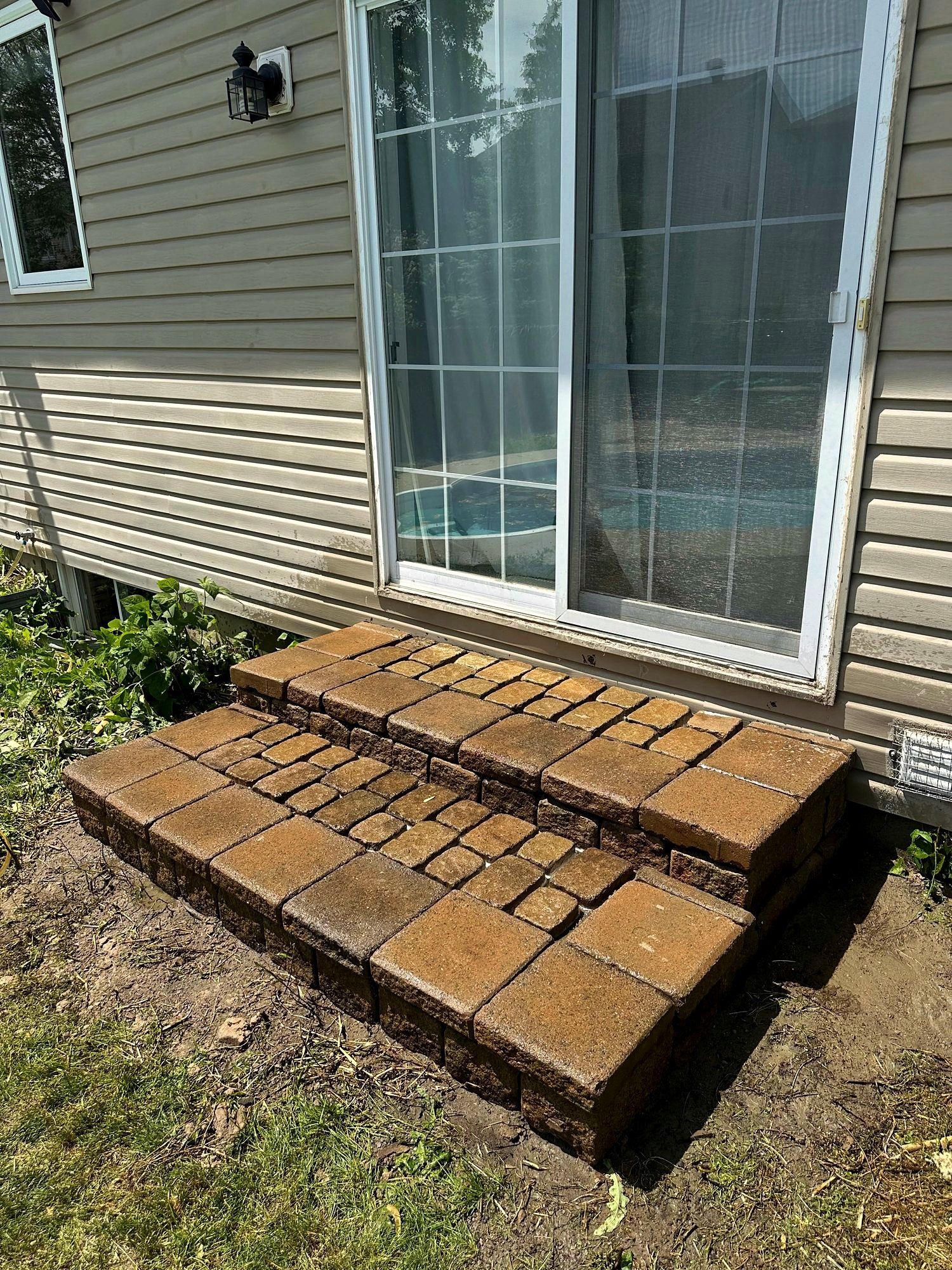
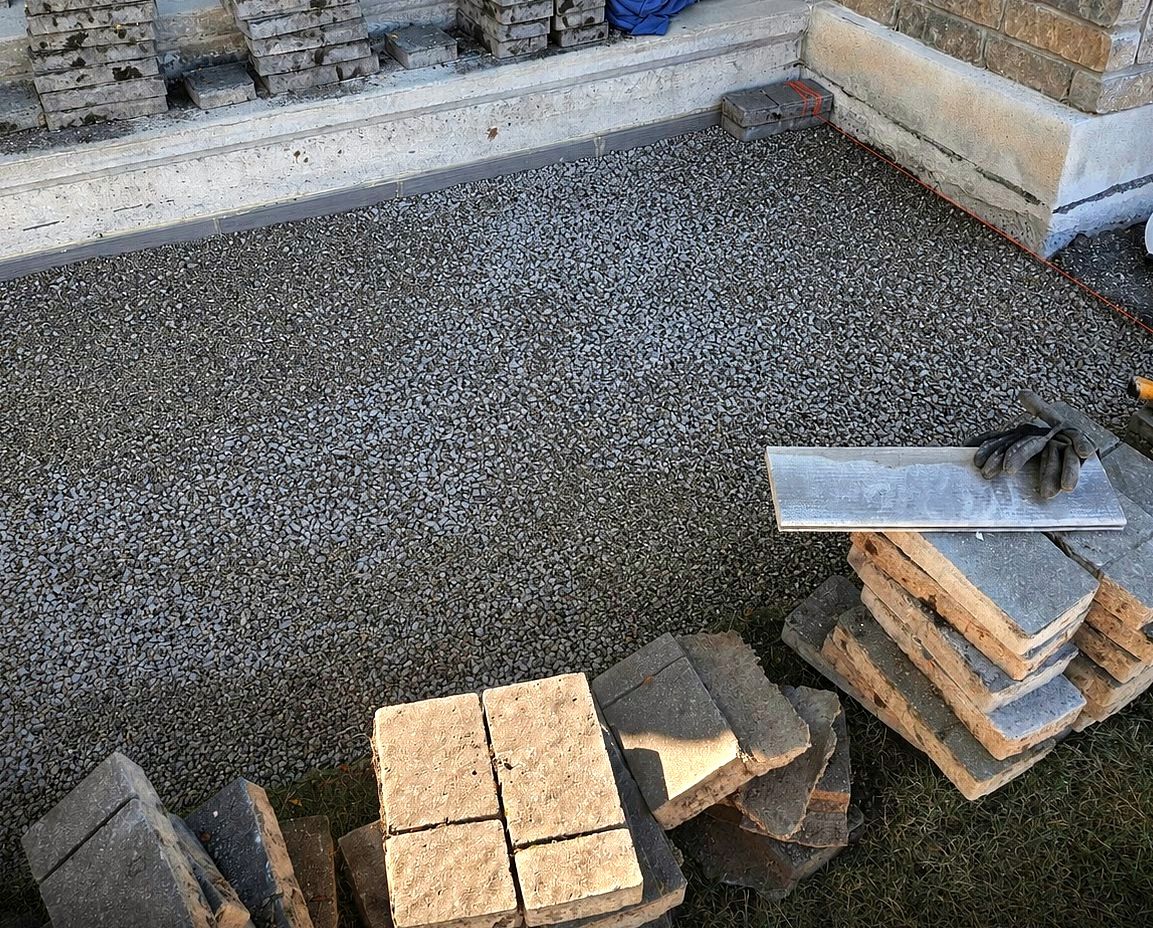
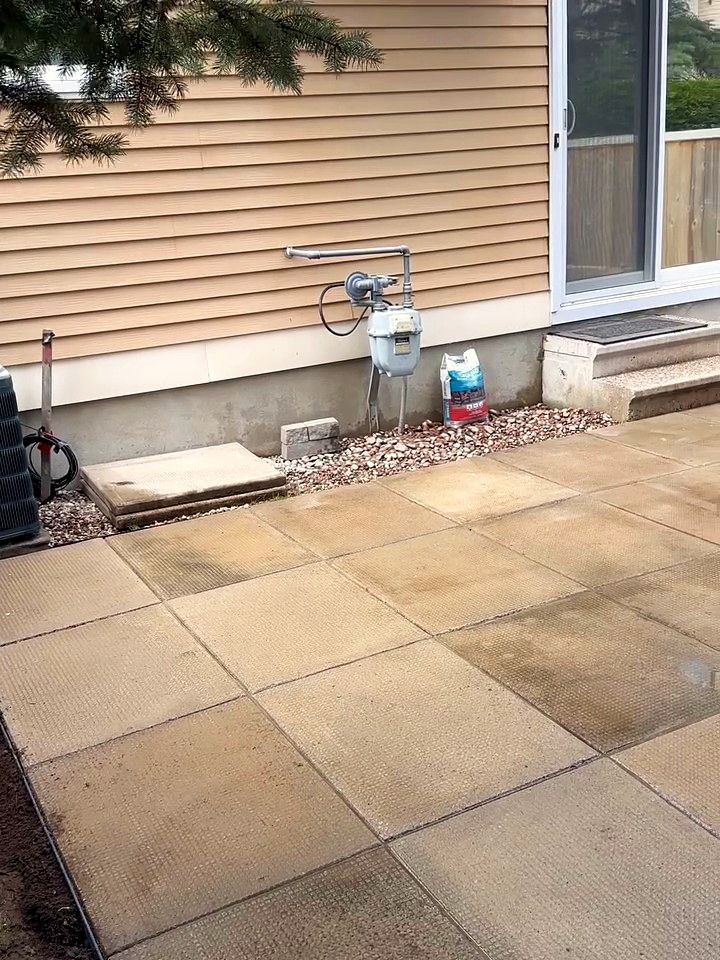
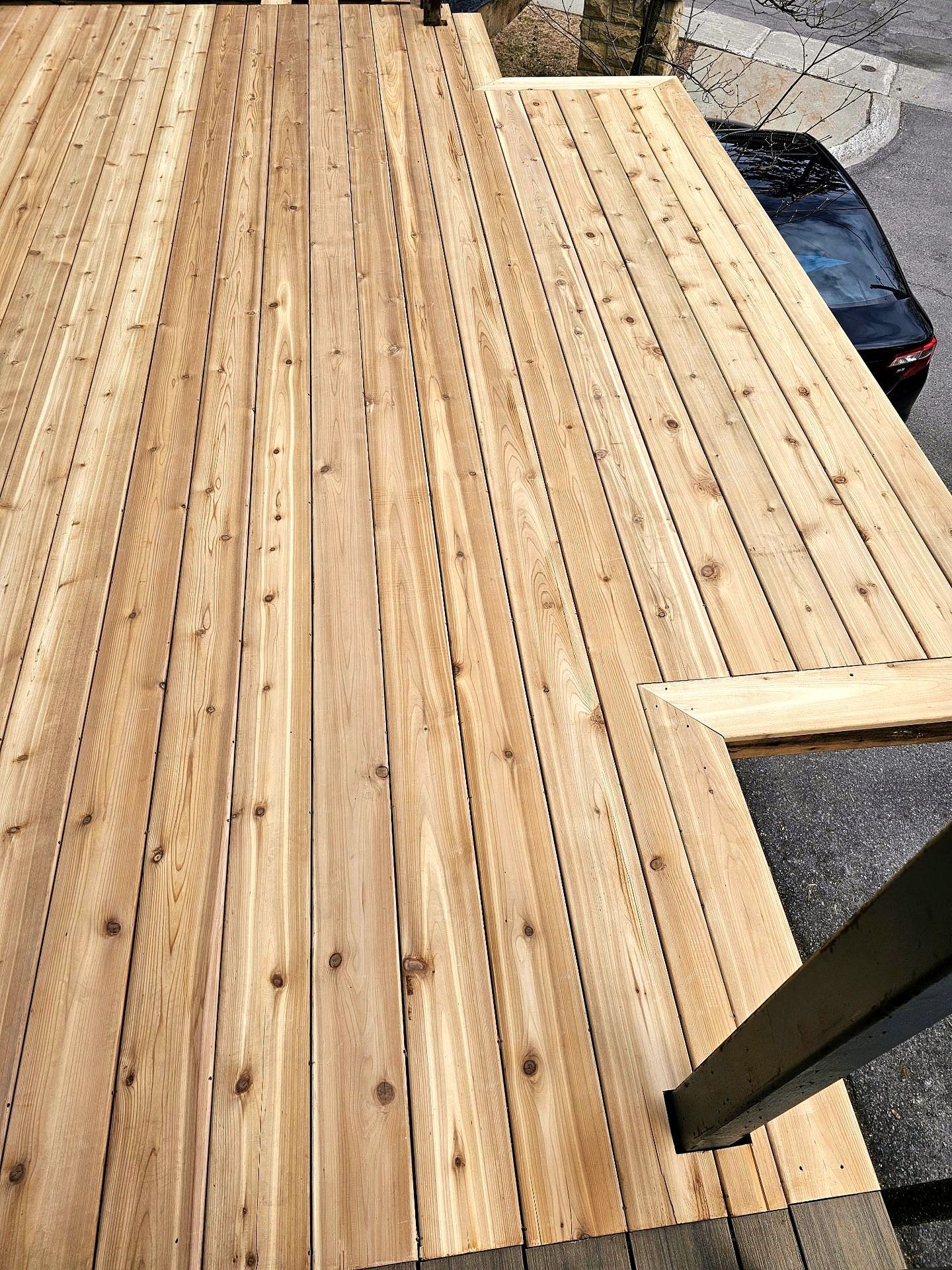
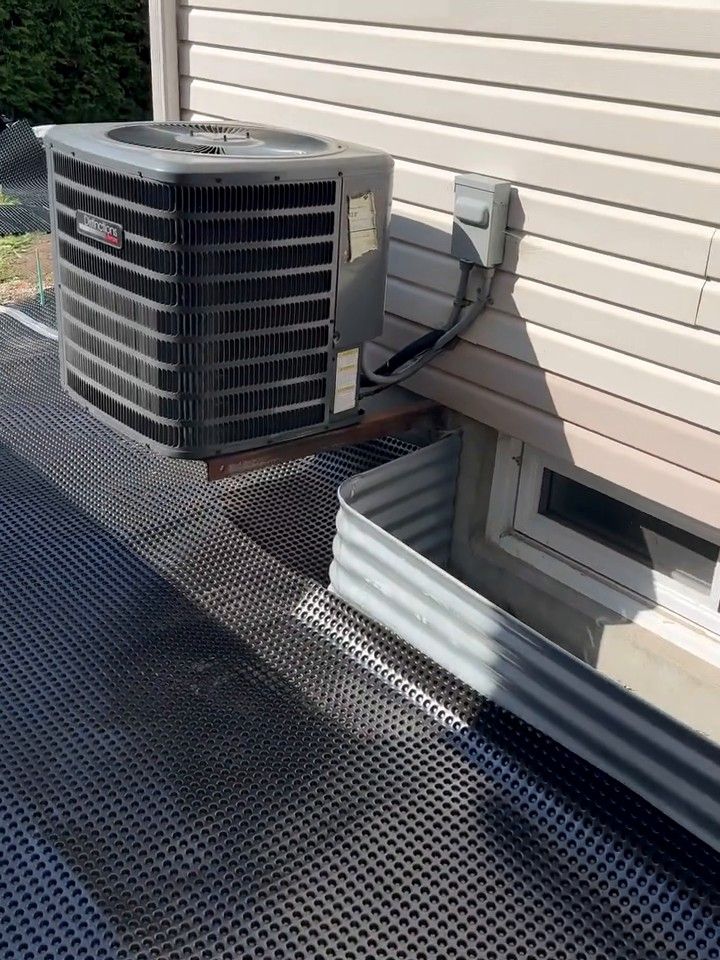
An exterior dig needs the ground along the wall, and in many Kanata yards a deck, interlock, steps or an air conditioner pad sit right there. We plan what comes up, how it is protected and how it goes back. Korvex builds decks and lays interlock, so putting the yard back is part of the same quote, along with fresh parging where the old coat cracked above grade.
At the site visit
What we check on a lot in Kanata
- 01
Which wall leaks, and whether water shows at a crack, the floor joint or a tie hole.
- 02
Signs of rock near the surface along the house.
- 03
Where the existing weeping tile drains.
- 04
Decks, steps, patios and an air conditioner pad along the wall, to lift and put back.
- 05
How the ground falls from the wall today, after years of settling backfill.
- 06
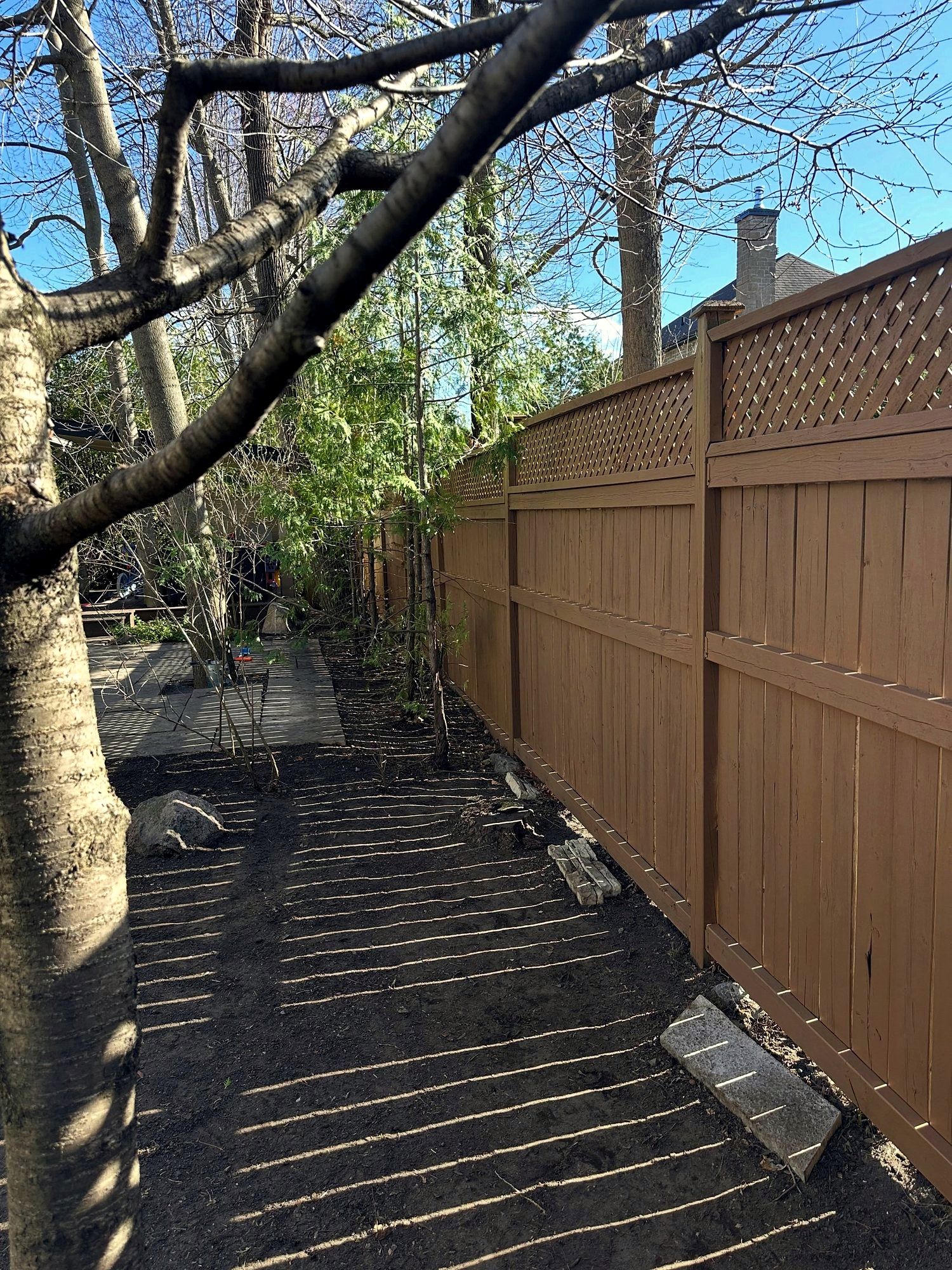
Hedges and trees close to the dig on the older streets.
What we plan around
Local conditions in Kanata
Each point links to the public source it was checked against. At the site visit we check how it applies to your lot.
- Groundwater near the Carp River
The same study estimated groundwater at about 2 to 3 m down, rising and falling with the seasons. Low yards need a clear plan for where surface water goes.
How we build it
What exterior waterproofing involves
Every wall is different, so the drawing shows the parts most exterior jobs share. The order matters: the wall is repaired and sealed while it is open, the drain at the footing is renewed while the trench is down to it, and the ground goes back so it carries water away.
- Find where water enters
Stains, damp patches and the yard outside are read together, so the dig opens the wall where the water actually comes in.
- Locates first
Buried lines are located before any digging along the house.
- Repair, then seal
Cracks are repaired and the wall cleaned before the waterproofing layer goes on, all while the wall is exposed.
- Drain at the footing
The existing weeping tile is checked where the trench reaches it, and replaced where it is clogged, crushed or blocked by roots.
- Backfill that stays put
Backfill is compacted as it goes back, so the ground beside the wall does not sink into a dip.
- Weather
Frozen ground cannot be compacted properly, and coatings need temperatures above freezing, so on most Ottawa sites this is spring-to-fall work.
- Regraded surfaceShaped to fall away from the house, so rain and snowmelt run off.Graded to drain
- Compacted backfillPlaced back against the wall and compacted, so it does not settle toward the house.Compacted in layers
- Waterproofing layerOn the outside face of the wall, between the concrete and the soil.On the outside face
- Foundation wallExposed, cleaned, and cracks repaired from the outside before anything covers it.Cracks repaired outside
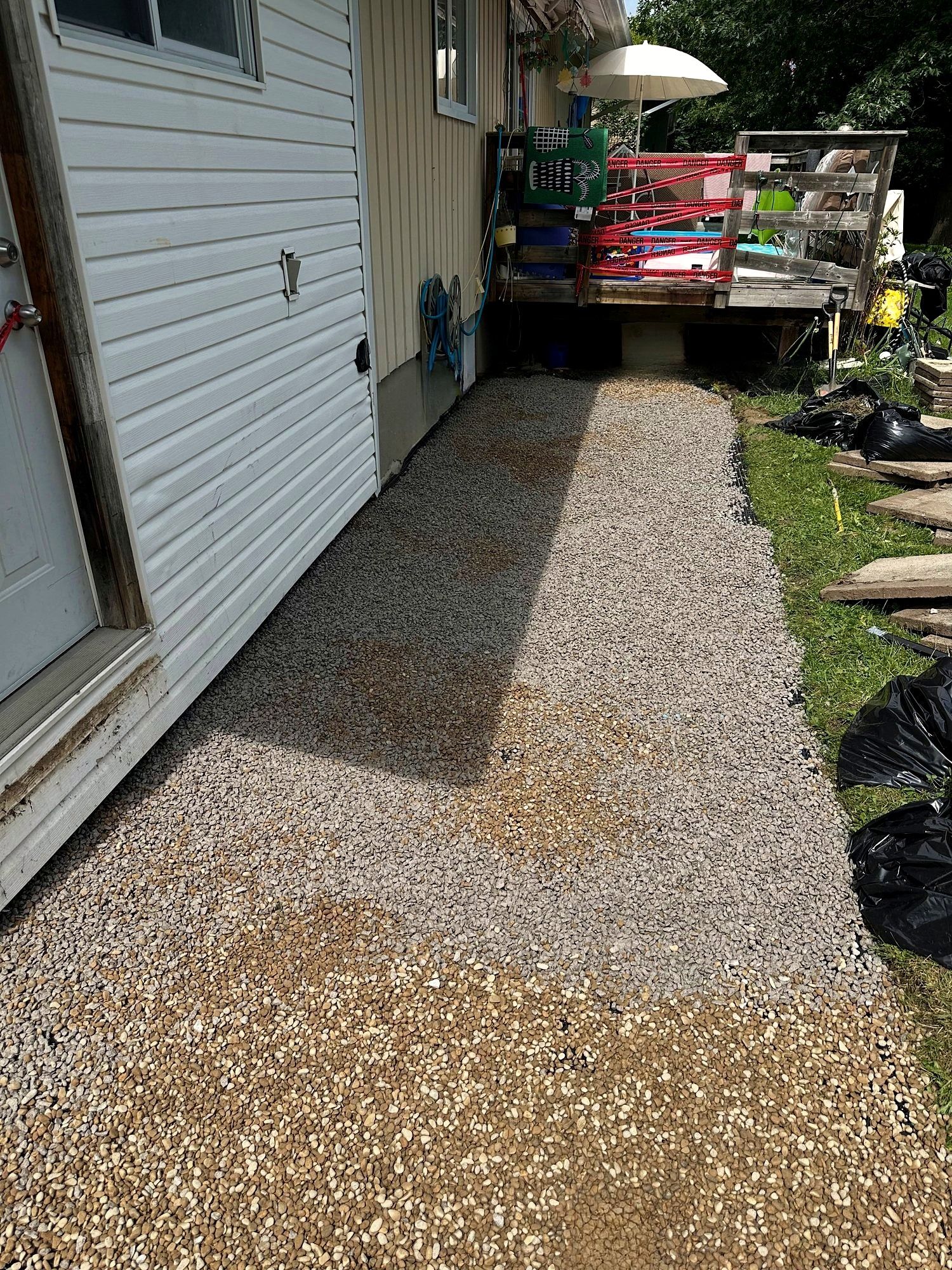
- Clear stoneAround the drain, so water from the soil reaches the pipe.Open and free-draining
- Weeping tile at the footingA perforated foundation drain led to an outlet planned for the lot.Led to an outlet
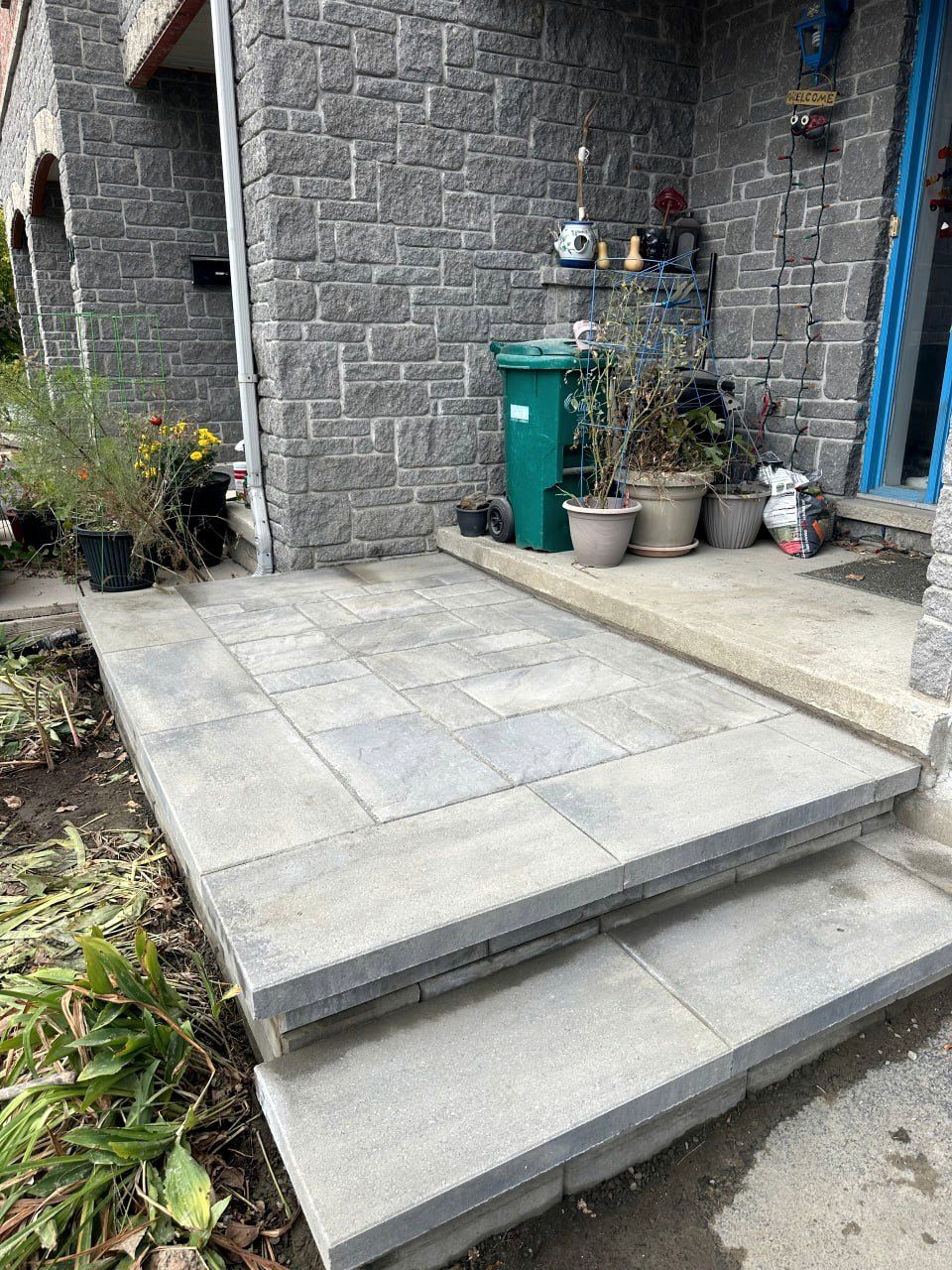
“Vlad and his crew installed my patio in 2 days. Did excellent work and vlad answered any and all questions I asked. I highly recommend Korvex Development for any job you may require.”
Joe Ayoub · Patio installed
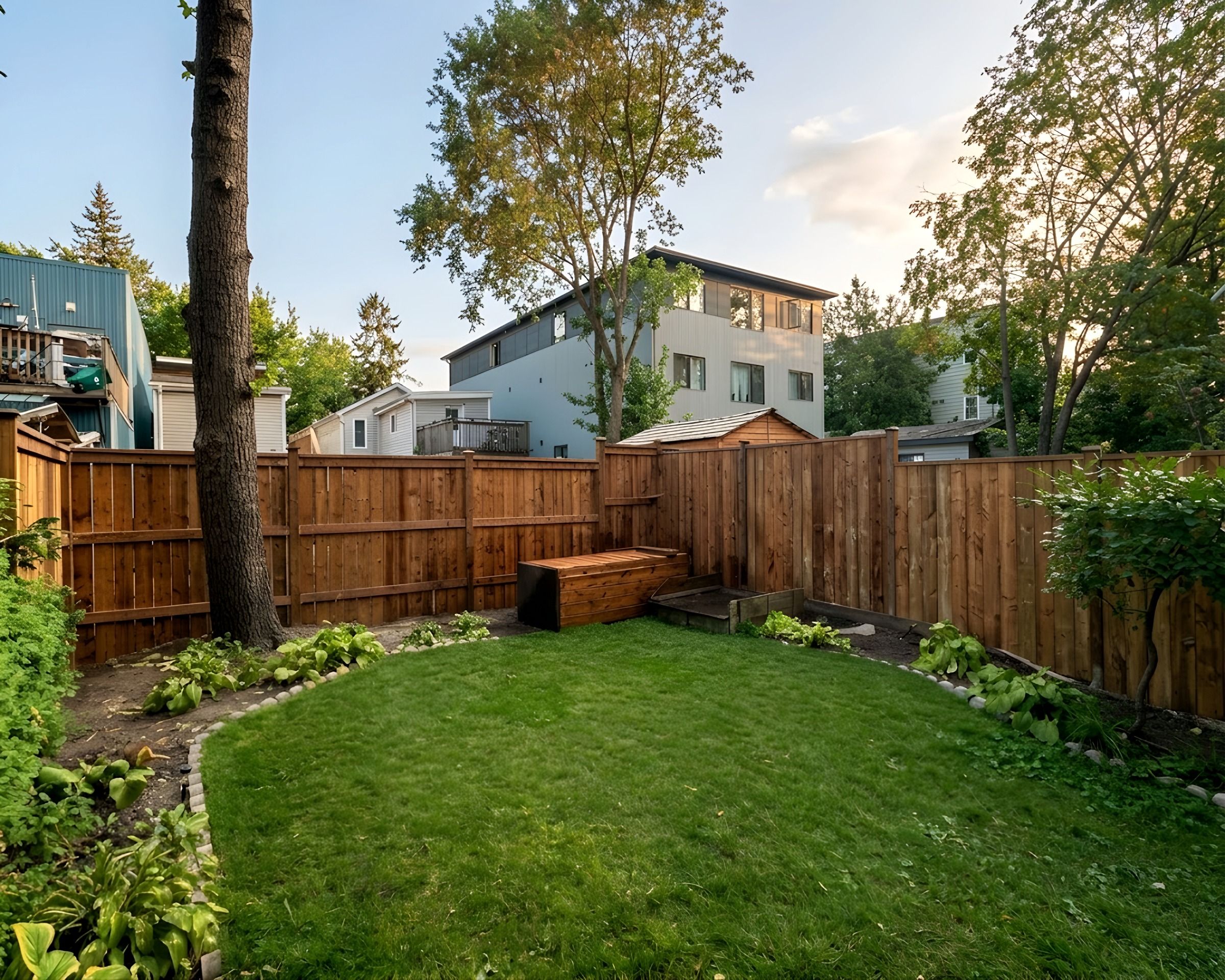
“Did awesome work! had them repair a leany fence and they were on time, cheap and super professional”

Josh Cohen-Collier · Leaning fence repaired
FAQ
Exterior Waterproofing in Kanata: common questions
Our lot has rock near the surface. Can the wall still be waterproofed?
In most cases the wall can be exposed down to where the footing or the rock stops the dig, then cleaned, repaired and protected. Kanata ground can switch from deep clay to bedrock on one site. If rock changes what we planned, we stop, show you, and agree on the next step before the work goes on.
Our backyard faces the Carp River corridor. Does that matter for waterproofing?
It matters for the drain and the grading. Groundwater near the corridor rises and falls with the seasons, so the footing drain needs a working outlet, and grading or fill near the river can fall under the Mississippi Valley Conservation Authority’s rules. We check the lot against its mapping before planning the work.
Water comes into our Kanata basement only in spring. Why?
Spring brings snowmelt, frozen ground that sheds water toward the house and a higher water table, all at once. A City study near the Carp River found groundwater rising and falling with the seasons. A leak that appears only then often points to the footing drain or a crack low on the wall. We look at both, and at the grading, before we quote.
Do you work in all parts of Kanata?
Yes. Korvex Construction builds decks, fences, interlock and drainage across Kanata, including Beaverbrook, Glen Cairn, Bridlewood, Morgan’s Grant and Kanata Lakes. The ground changes from yard to yard here, so the free on-site estimate starts with what is under your lawn. Request an estimate online or call 613-880-7679.

Book a free exterior waterproofing estimate in Kanata
Tell us what you want built and send a few photos. We come out, look at what sits under the job, and give you the scope and the price in writing.