

Exterior Waterproofing · Orleans, ON
Basement and foundation waterproofing in Orleans
Korvex Construction waterproofs basements from the outside across Orleans, from Queenswood Heights and Convent Glen to Chapel Hill, Fallingbrook and Avalon. The leaking wall is excavated, cracks are repaired, the wall is waterproofed, the weeping tile is renewed and the ground is regraded away from the house. Ask for a free site visit, and a written quote follows it.
- Waterproofing layer
- Weeping tile
- Clear stone
- Compacted backfill
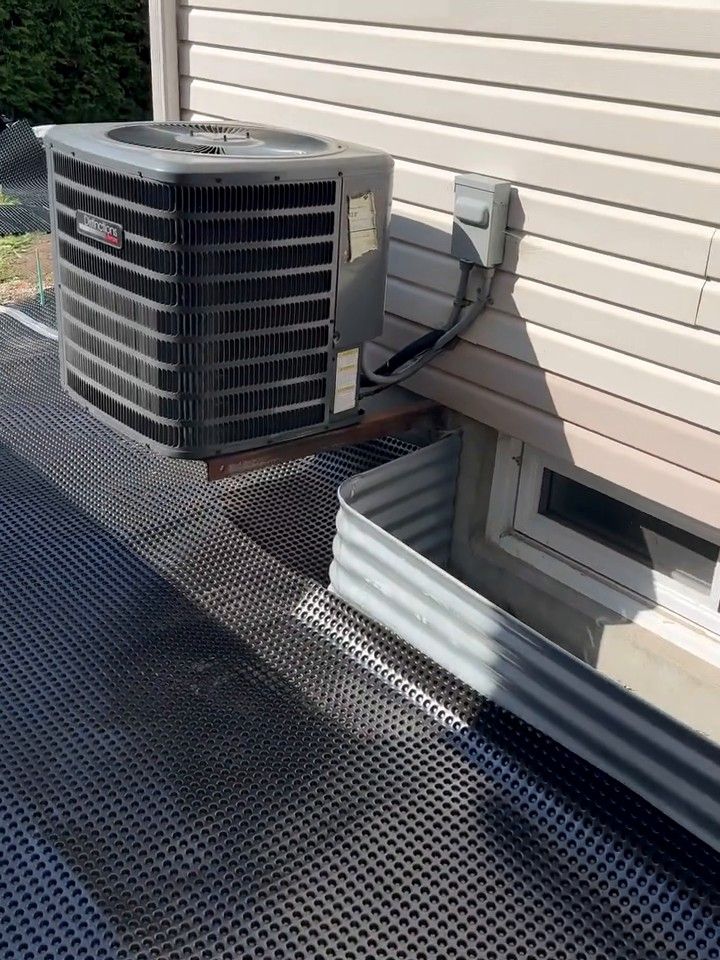
- Dimpled membrane
The local picture
Exterior Waterproofing in Orleans
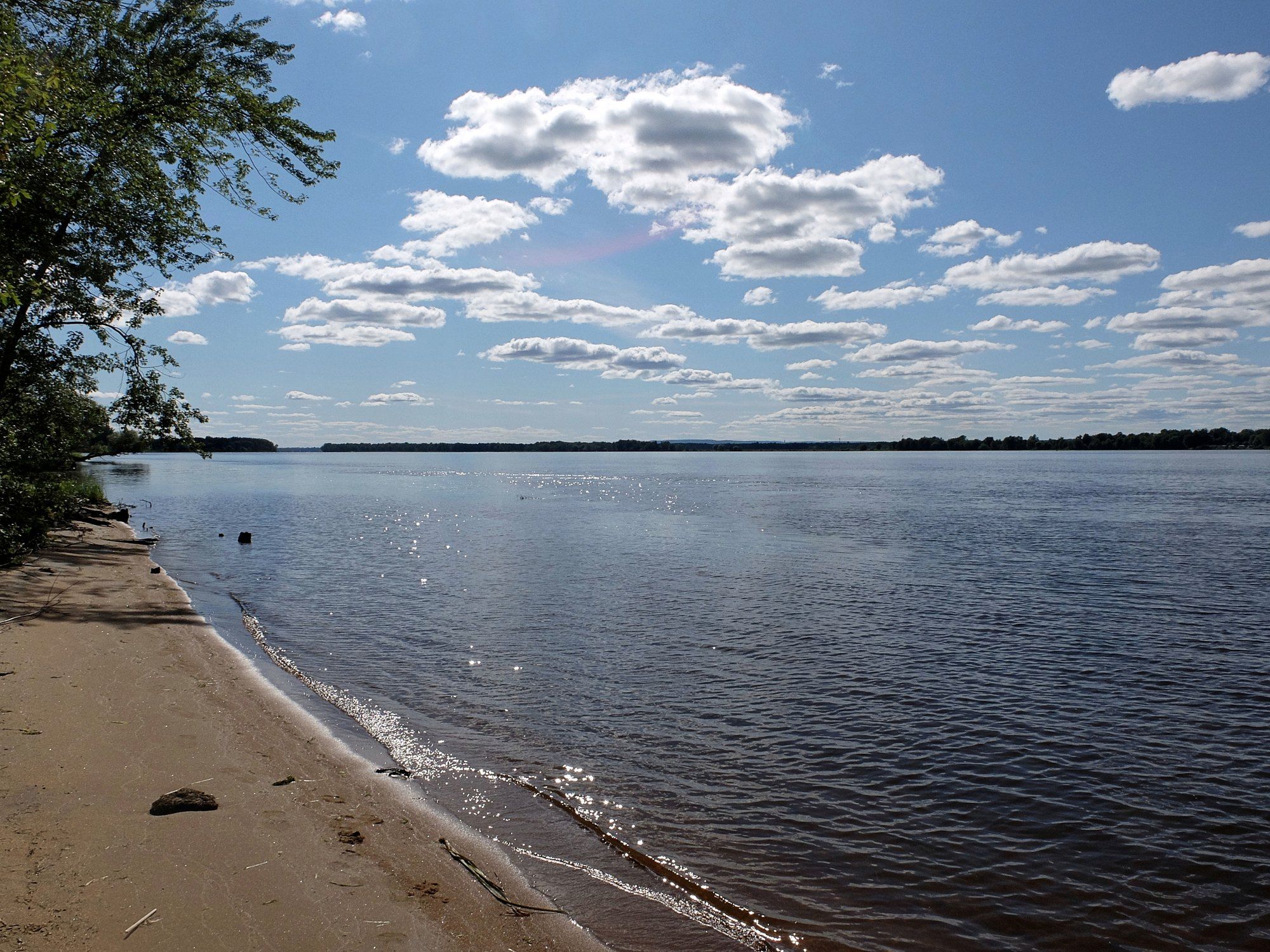
A study of 73 sites found thick Champlain Sea clay under much of Orleans, with firmer ground, in places thin soil over bedrock, around its edges. Clay holds water against a basement wall long after the rain stops. On the firmer edges water moves through faster, yet it finds the same cracks. Which ground a house sits on decides how the excavation is dug and backfilled.
Queenswood Heights started large-scale suburban building in the late 1960s, and Convent Glen and Orléans Woods followed in the 1970s. Basements from those first waves now have weeping tile and backfill around fifty years old. In Avalon and the newer streets south of Innes Road, leaks more often start at a crack or at backfill that has settled.
From the first suburbs to Avalon
Queenswood Heights, Convent Glen, Chapel Hill, Fallingbrook, Avalon
Korvex Construction handles basement leak repair and exterior foundation waterproofing for Orleans homes. A typical scope runs from utility locates and excavation along the wall to crack repair, a waterproofing layer, new weeping tile, backfill and regrading. Request the free on-site estimate or call 613-880-7679, and the written quote follows the visit.
Orleans clay also moves with frost. Water in the soil expands as it freezes, and saturated clay beside a wall can push on it through the cold months. A wall that has been through fifty of those winters can show hairline cracks that take water in spring. We repair them from the outside, where the water arrives, and drain the soil so less of it freezes against the wall.
Escarpment, ravines and where the soil goes
Parts of Orleans back onto steep ground: the Orléans Escarpment along St. Joseph Boulevard, the clay ravines of Green’s Creek, and Bilberry Creek, where the Rideau Valley Conservation Authority is studying slope stability and erosion. Excavated clay is heavy and wet. On a lot near a slope we keep the stockpile well back from the top of the bank, take surplus soil off the site, and shape the regraded yard so it sends no extra water toward the slope.
Snowbanks against the wall
The City’s basement flooding guidance asks owners to clear snow away from the foundation so meltwater does not seep in through the walls. Where the driveway snow is piled along the side of a house all winter, a spring leak on that wall can follow. Once the wall is repaired and drained, we regrade that strip so meltwater runs off, and suggest a better spot for the pile.
At the site visit
What we check on a lot in Orleans
- 01
Which wave of building the house comes from, and what the basement wall is made of.
- 02
Thick clay or firmer ground near the edges of Orleans.
- 03
Distance to a ravine, a creek valley or the escarpment, and room for the stockpile.
- 04
Where snow is piled each winter.
- 05
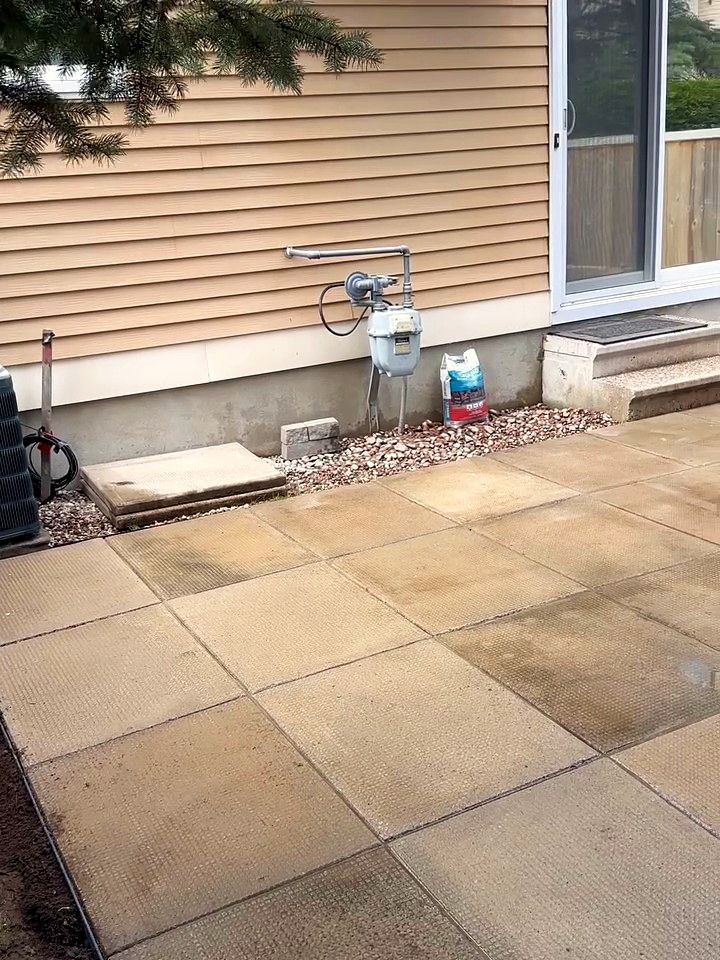
Old slabs or walkways tipping toward the wall.
- 06
Window wells along the leaking wall, and whether they hold water.
What we plan around
Local conditions in Orleans
Each point links to the public source it was checked against. At the site visit we check how it applies to your lot.
- Thick marine clay
Much of Orleans sits on thick, soft Champlain Sea clay, which loses strength when disturbed. Excavation stays tidy and the granular base is compacted in lifts.
How we build it
What exterior waterproofing involves
Every wall is different, so the drawing shows the parts most exterior jobs share. The order matters: the wall is repaired and sealed while it is open, the drain at the footing is renewed while the trench is down to it, and the ground goes back so it carries water away.
- Find where water enters
Stains, damp patches and the yard outside are read together, so the dig opens the wall where the water actually comes in.
- Locates first
Buried lines are located before any digging along the house.
- Repair, then seal
Cracks are repaired and the wall cleaned before the waterproofing layer goes on, all while the wall is exposed.
- Drain at the footing
The existing weeping tile is checked where the trench reaches it, and replaced where it is clogged, crushed or blocked by roots.
- Backfill that stays put
Backfill is compacted as it goes back, so the ground beside the wall does not sink into a dip.
- Weather
Frozen ground cannot be compacted properly, and coatings need temperatures above freezing, so on most Ottawa sites this is spring-to-fall work.
- Regraded surfaceShaped to fall away from the house, so rain and snowmelt run off.Graded to drain
- Compacted backfillPlaced back against the wall and compacted, so it does not settle toward the house.Compacted in layers
- Waterproofing layerOn the outside face of the wall, between the concrete and the soil.On the outside face
- Foundation wallExposed, cleaned, and cracks repaired from the outside before anything covers it.Cracks repaired outside
- Clear stoneAround the drain, so water from the soil reaches the pipe.Open and free-draining
- Weeping tile at the footingA perforated foundation drain led to an outlet planned for the lot.Led to an outlet
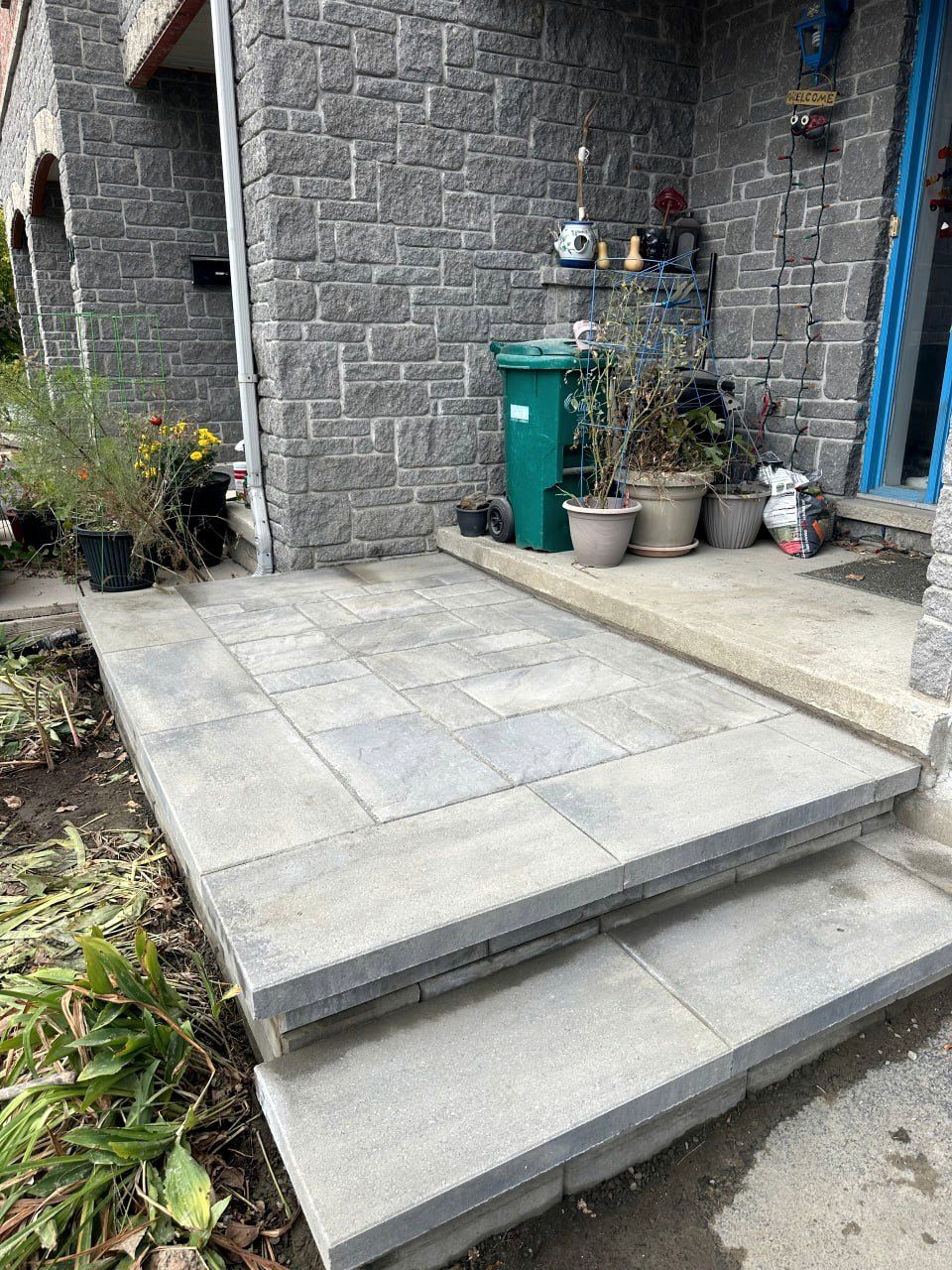
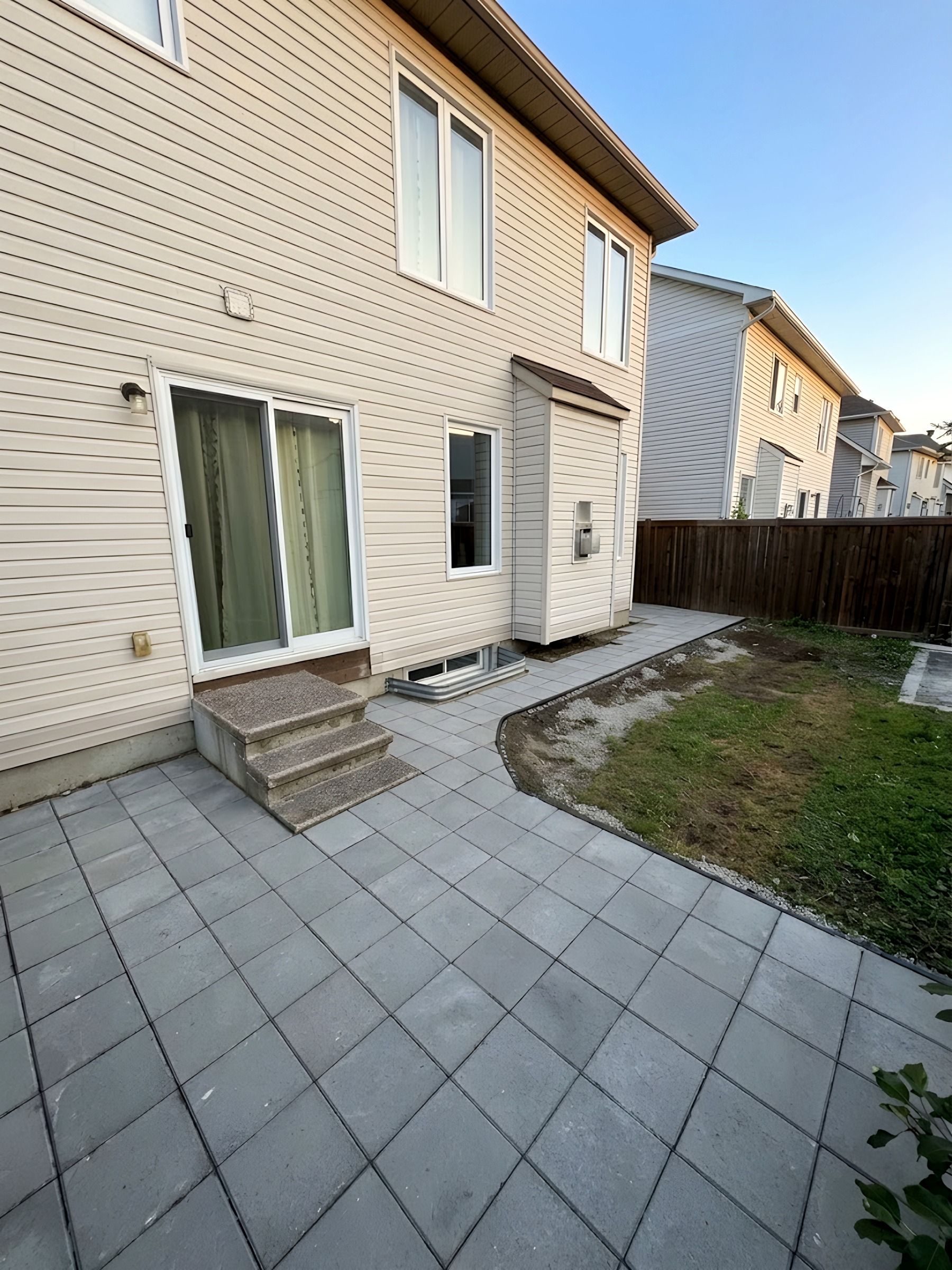
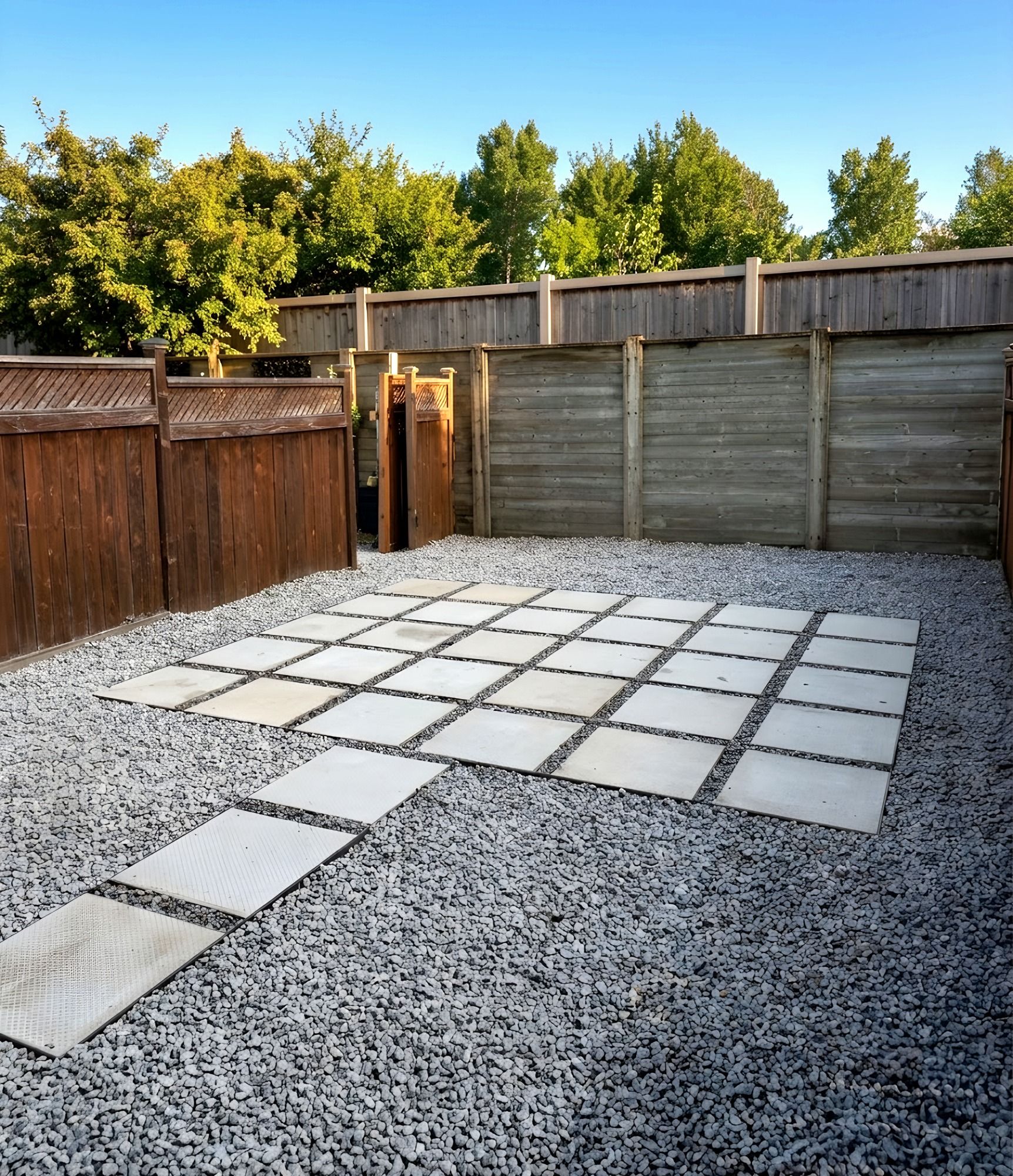
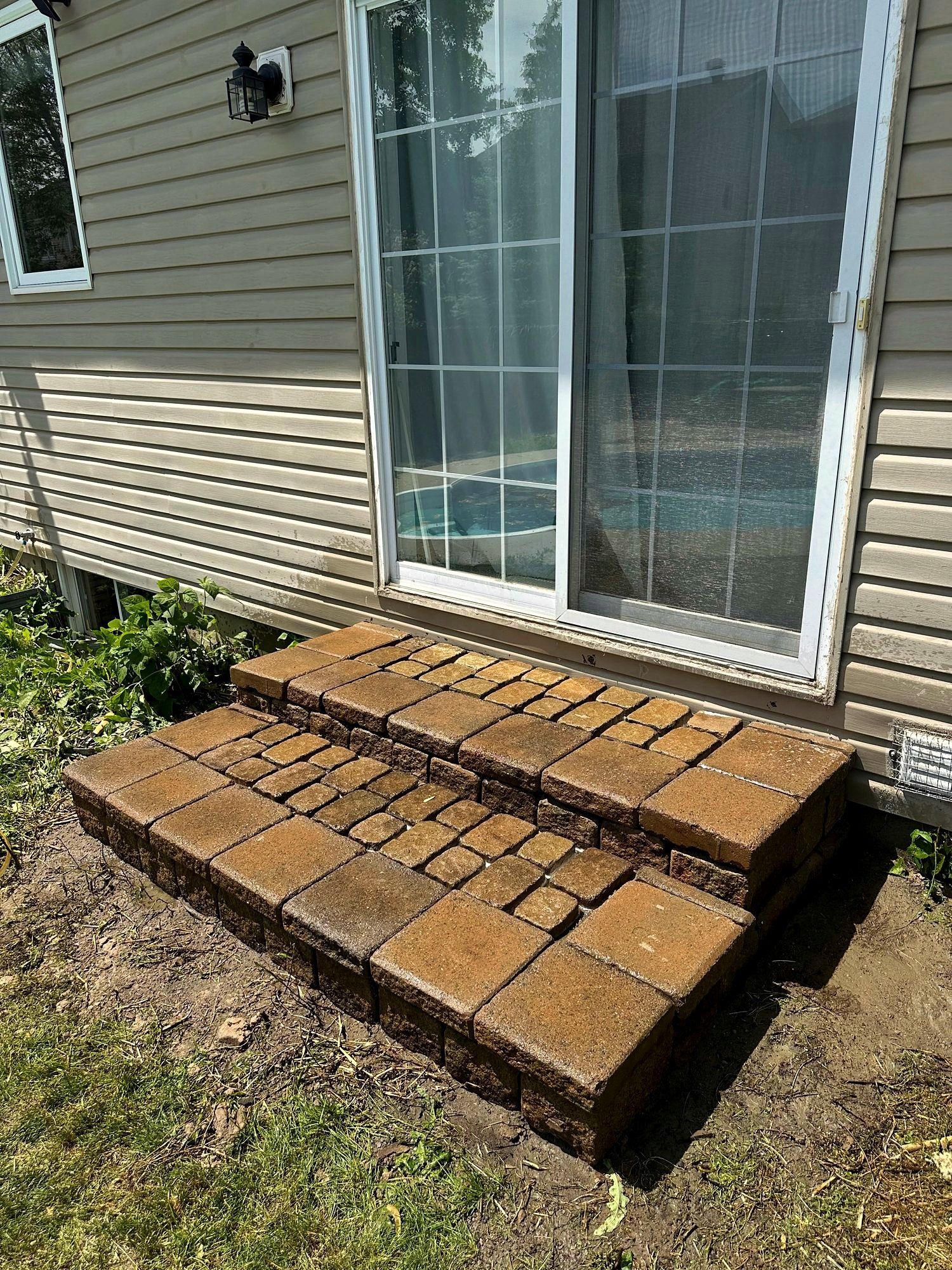
“Vlad and his crew installed my patio in 2 days. Did excellent work and vlad answered any and all questions I asked. I highly recommend Korvex Development for any job you may require.”
Joe Ayoub · Patio installed
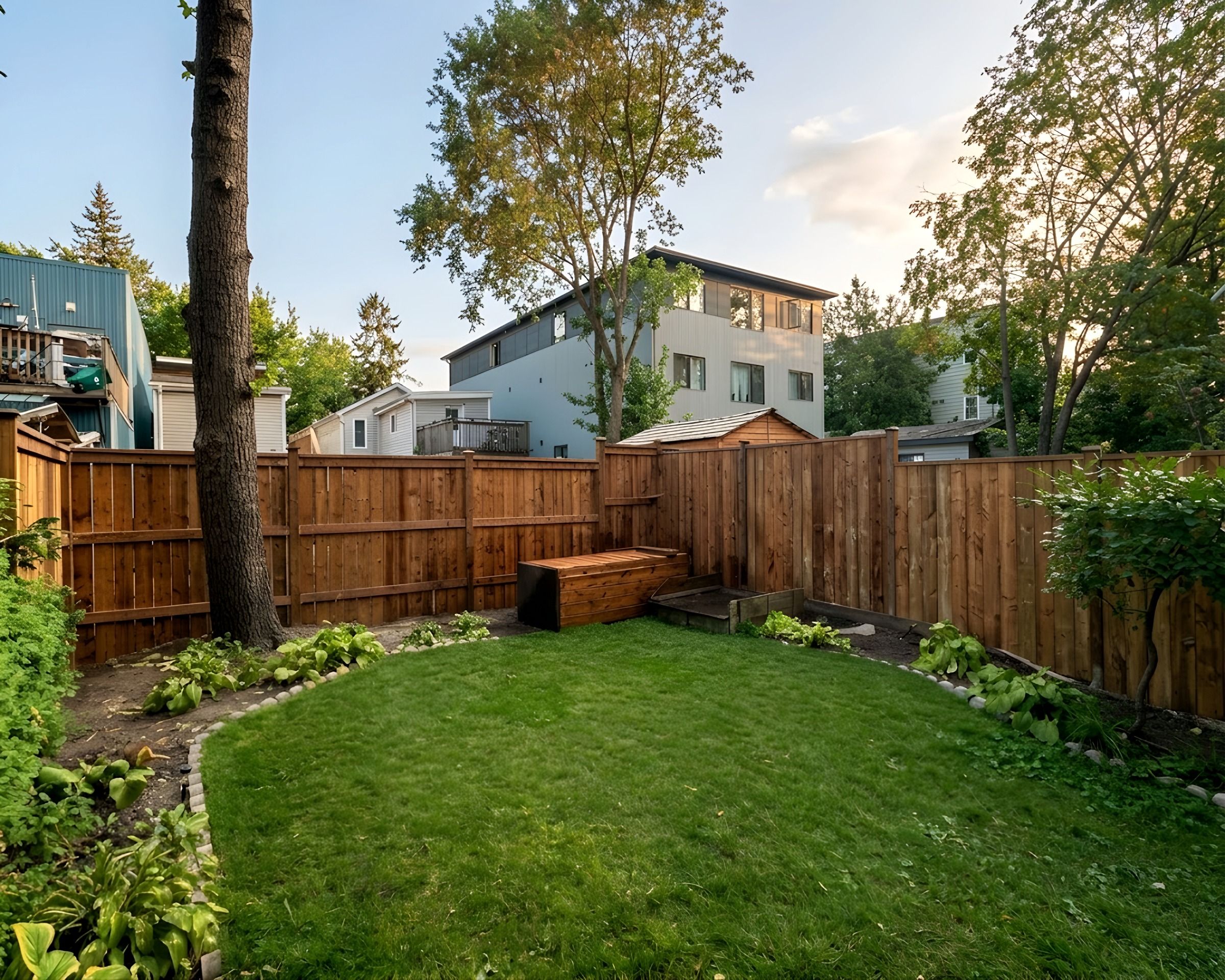
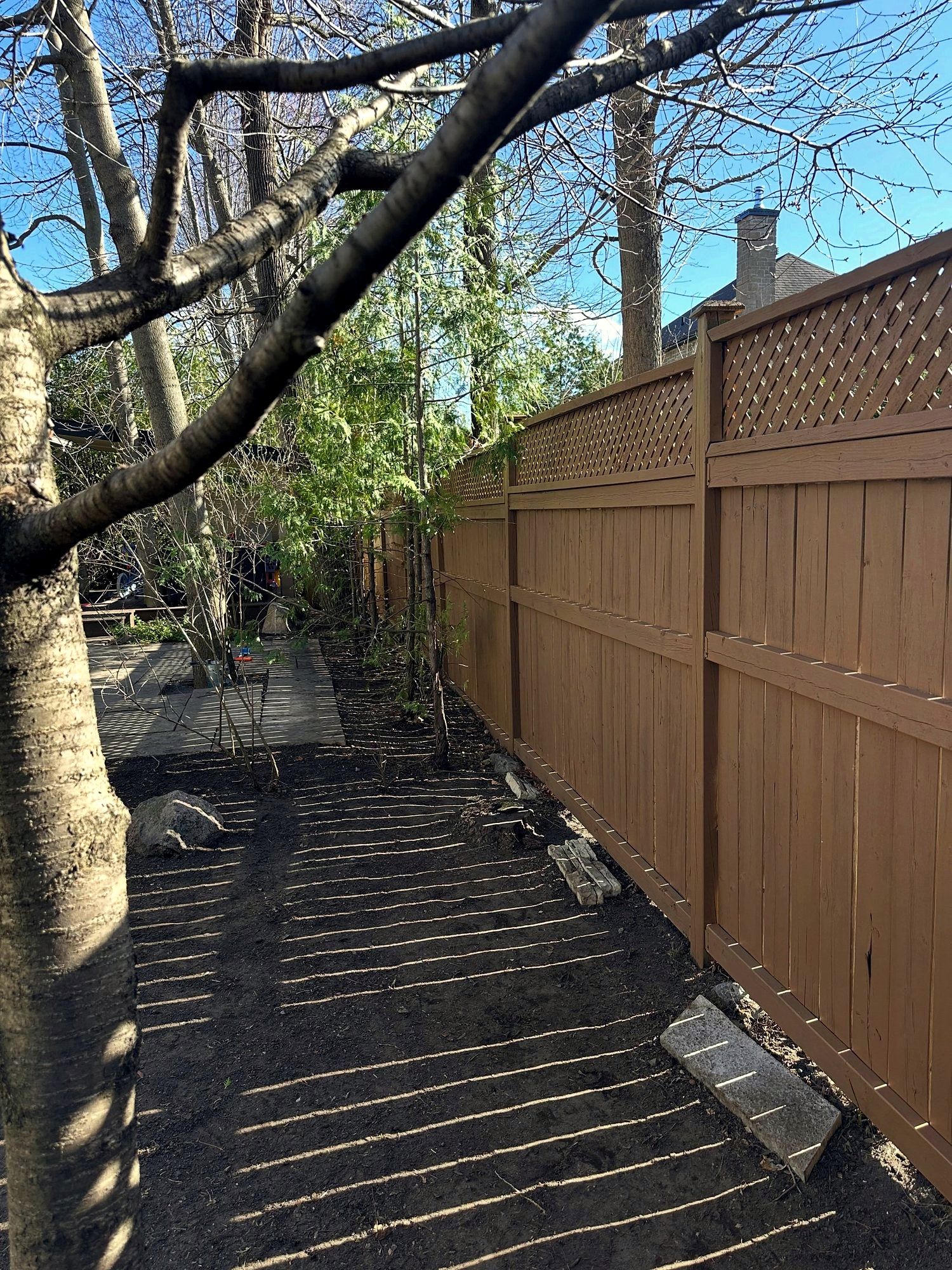
“Did awesome work! had them repair a leany fence and they were on time, cheap and super professional”

Josh Cohen-Collier · Leaning fence repaired
FAQ
Exterior Waterproofing in Orleans: common questions
Does clay soil make basement leaks worse?
It can. Clay holds water and releases it slowly, so the soil against the wall stays saturated after rain and snowmelt, and a crack, a pipe opening or a failed footing drain takes in water that faster-draining soil would have let pass. Much of Orleans sits on Champlain Sea clay, so exterior work here replaces the wet soil at the wall with free-draining backfill over new weeping tile.
Our backyard ends at a ravine. Can you still excavate along the house?
Usually, with the slope planned for. Site grading and fill in valley areas can need the Rideau Valley Conservation Authority’s permission, and its Map a Property tool shows whether a lot may be regulated. We check yours, keep excavated soil off the top of the slope, and direct the regraded surface away from it.
How do you find where an Orleans basement is leaking?
From the inside first: stains, a white mineral bloom, a wet floor joint or a crack that darkens after rain. Then outside: the grading on that wall, the nearest downspout and any slab that tips toward the house. The excavation goes where those two views meet, which keeps the dig to the wall that needs it.
Do you work in Orleans?
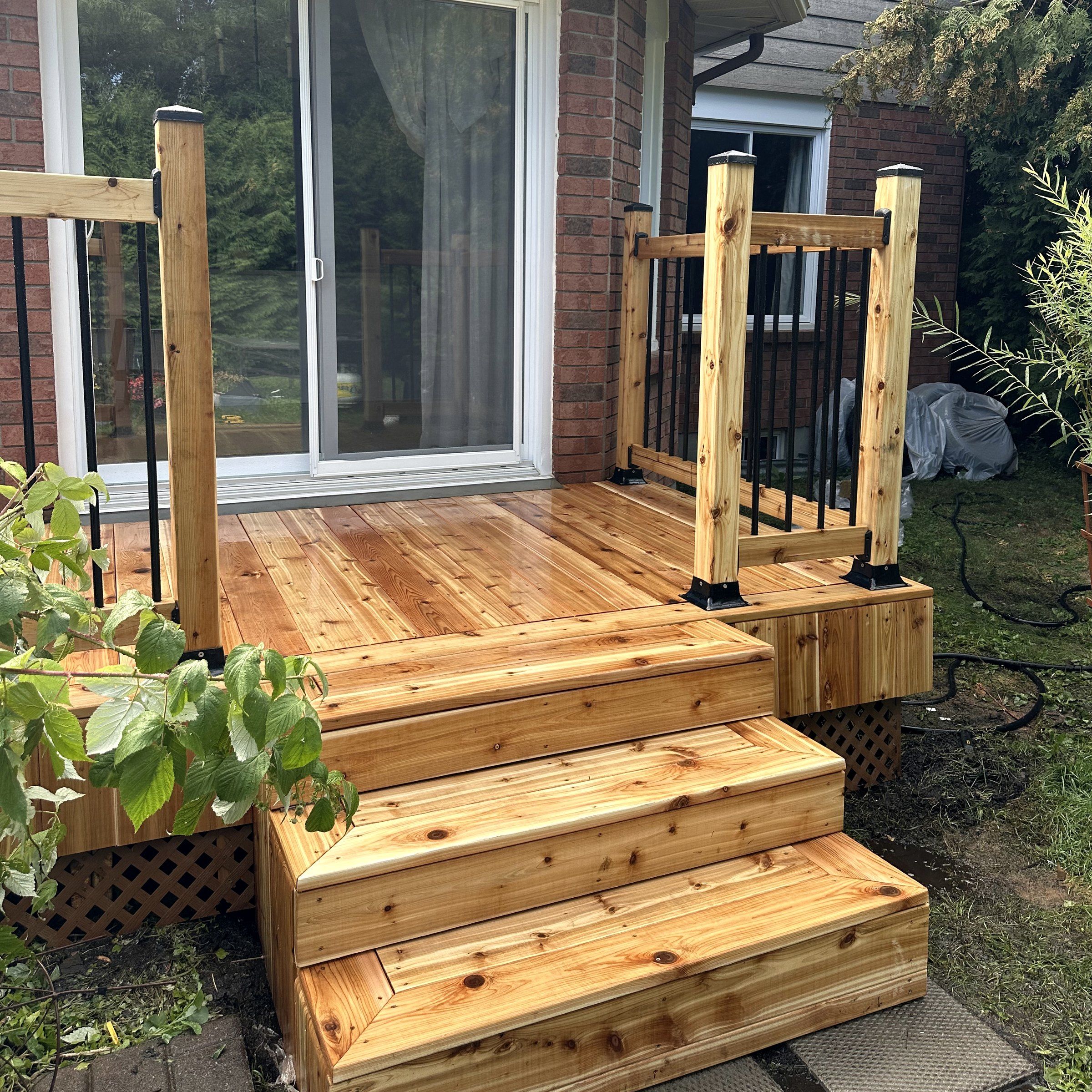
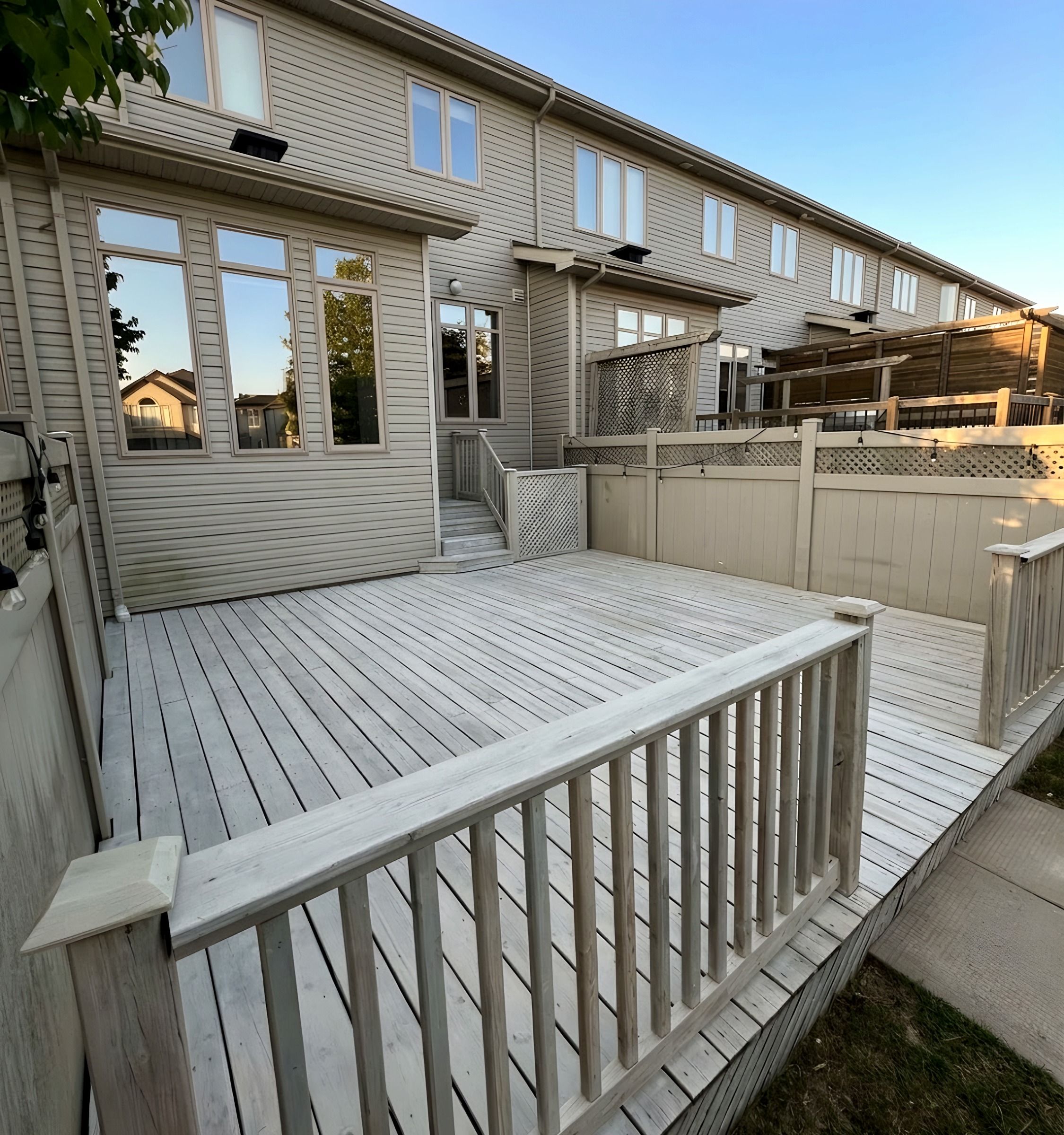
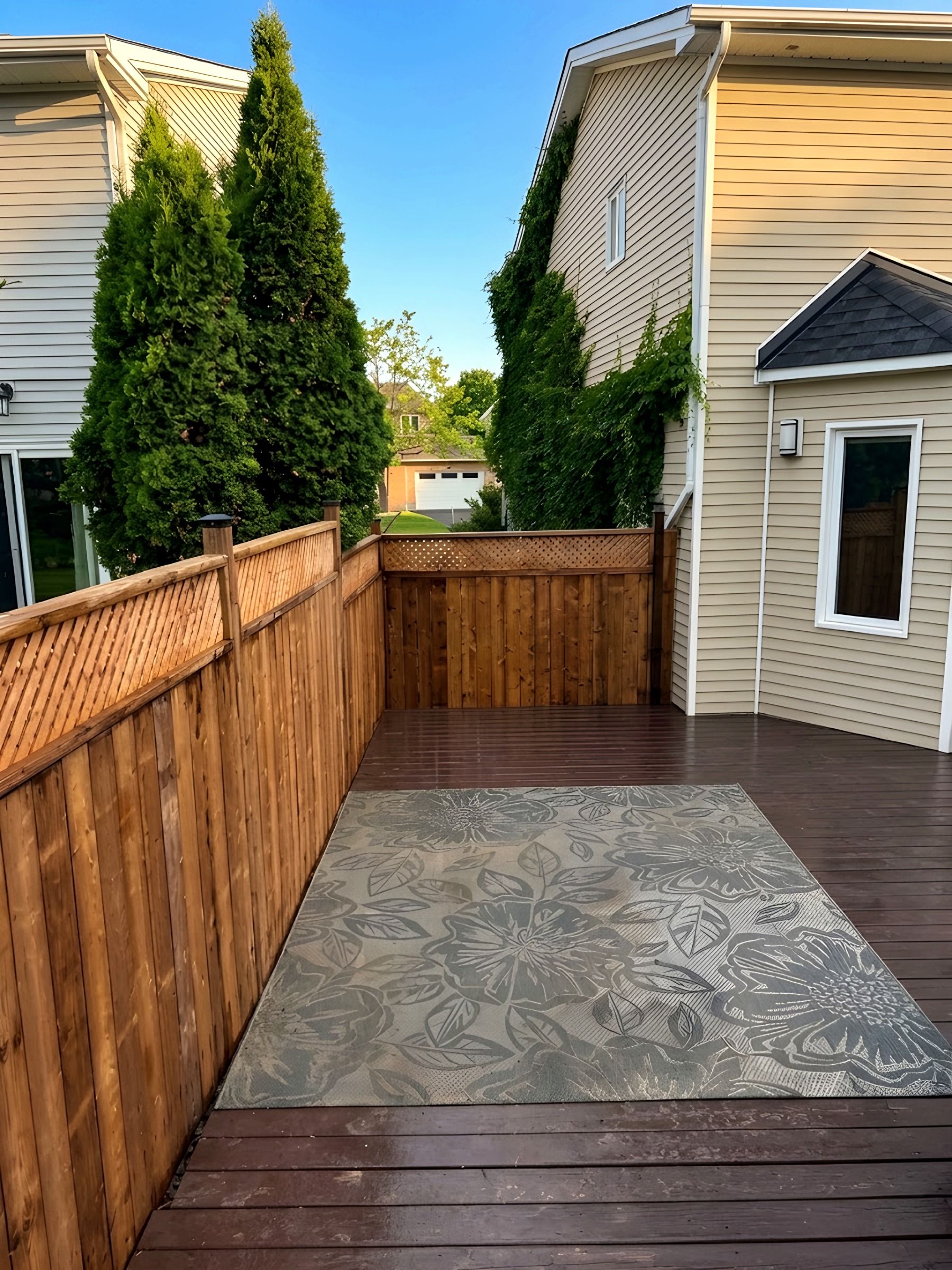
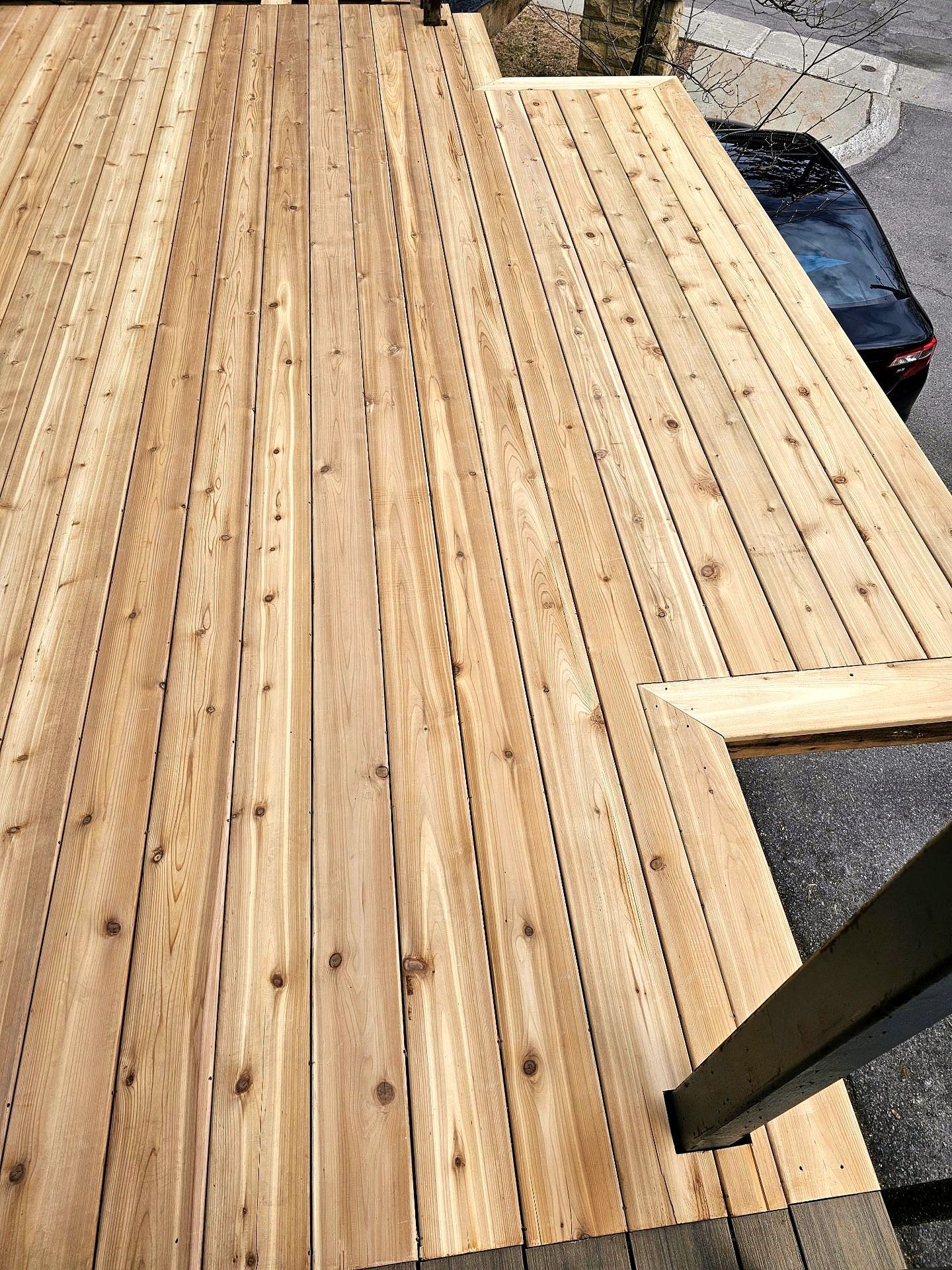
Yes. Korvex Construction builds drainage, interlock, fences and decks across Orleans, in the 1970s neighbourhoods and the newer ones. One of our Orleans jobs is on this page: a weathered deck cleaned and sealed, which the homeowner reviewed on HomeStars. Request a free estimate or call 613-880-7679.

Book a free exterior waterproofing estimate in Orleans
Tell us what you want built and send a few photos. We come out, look at what sits under the job, and give you the scope and the price in writing.